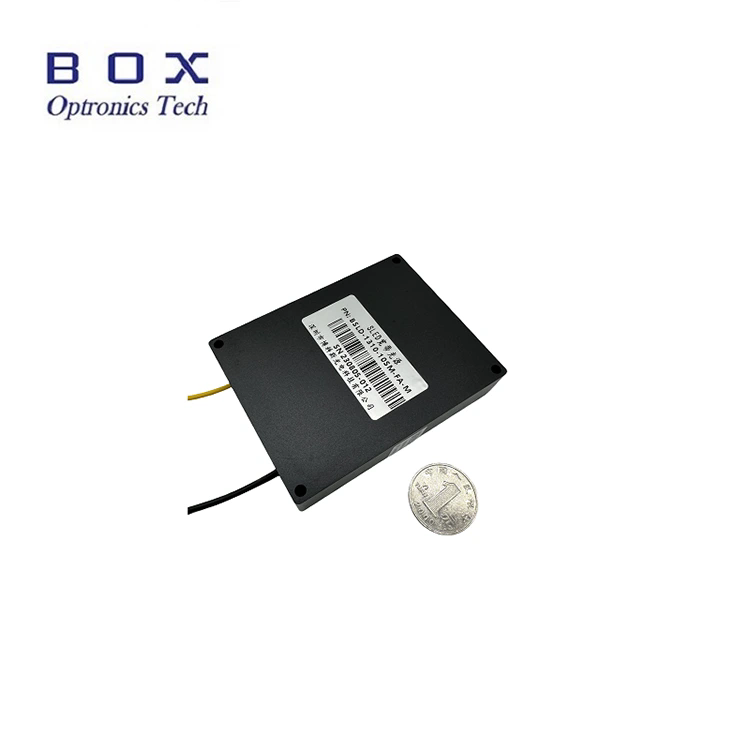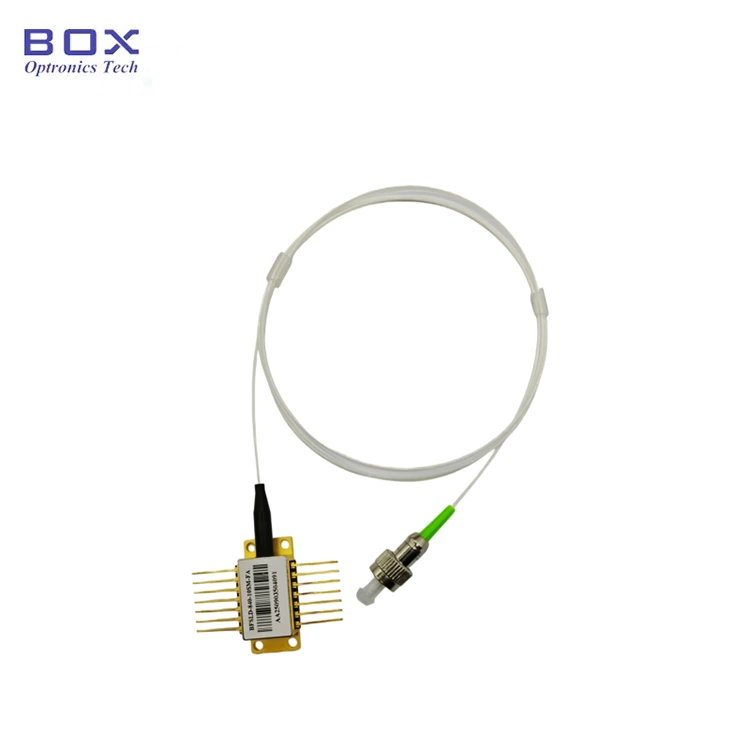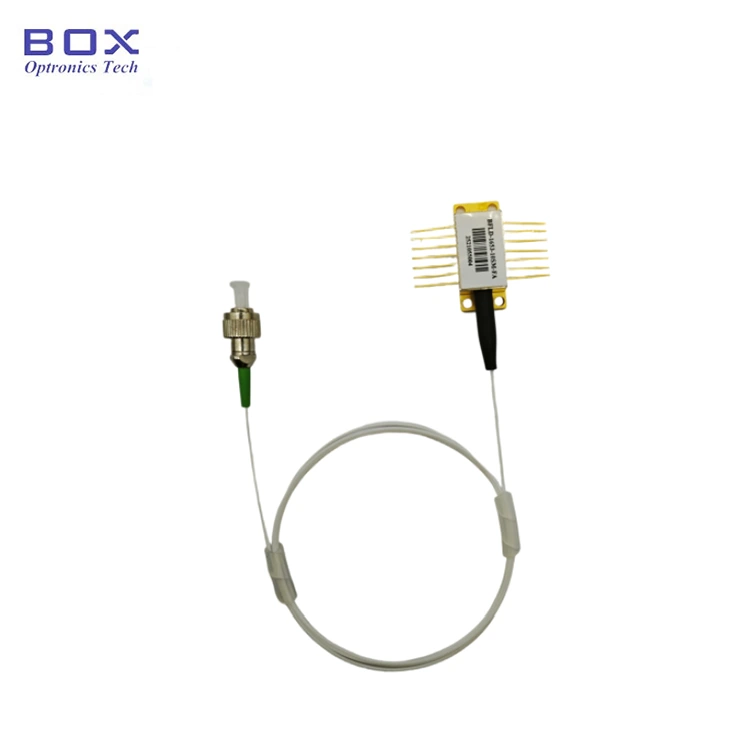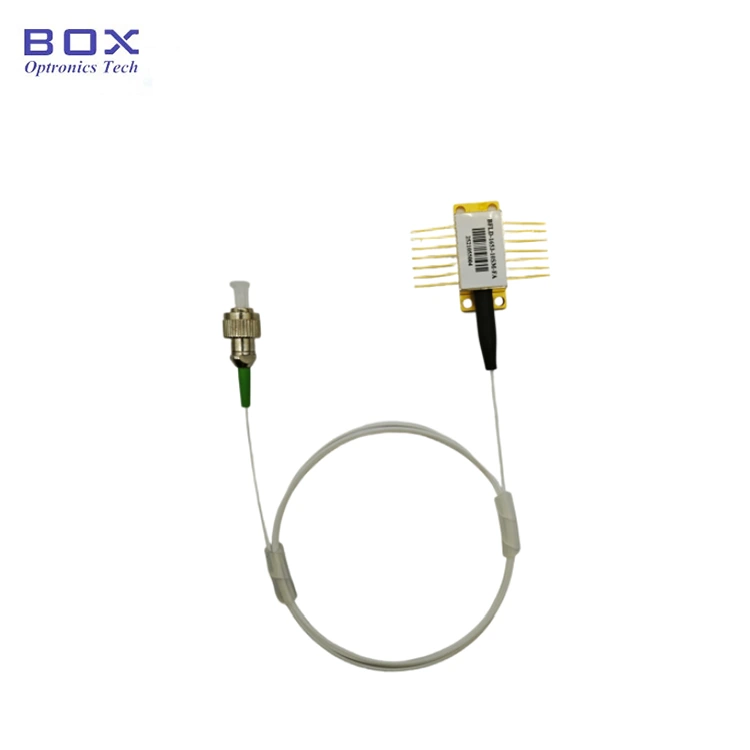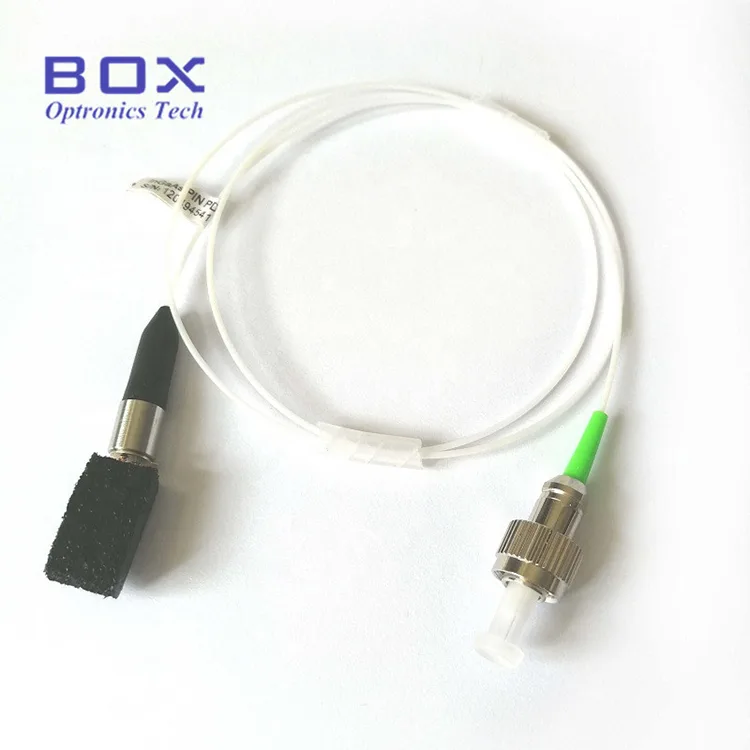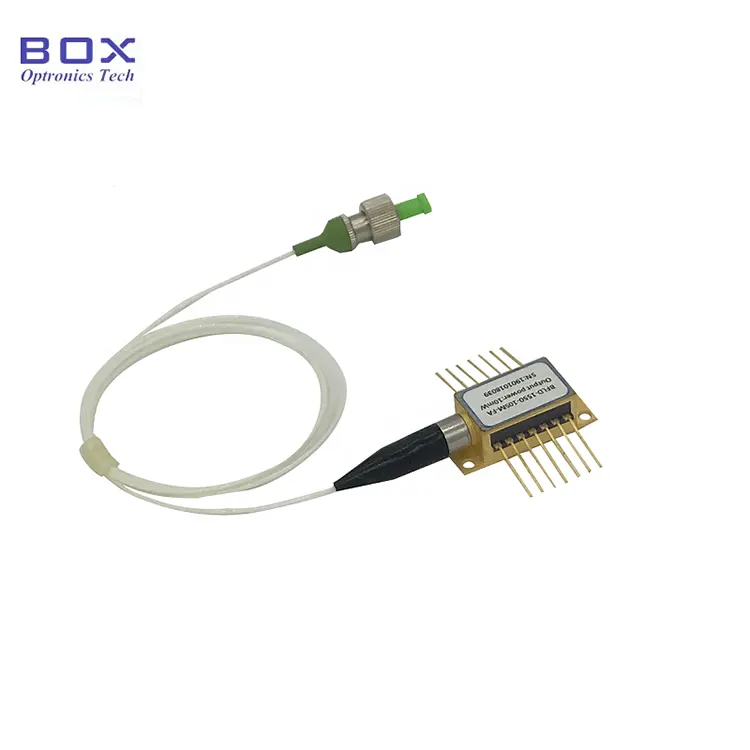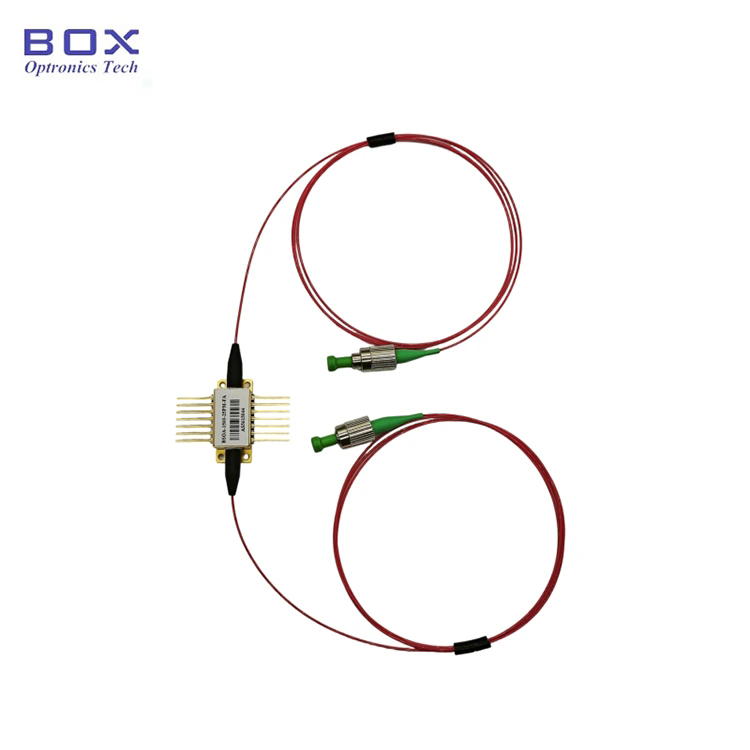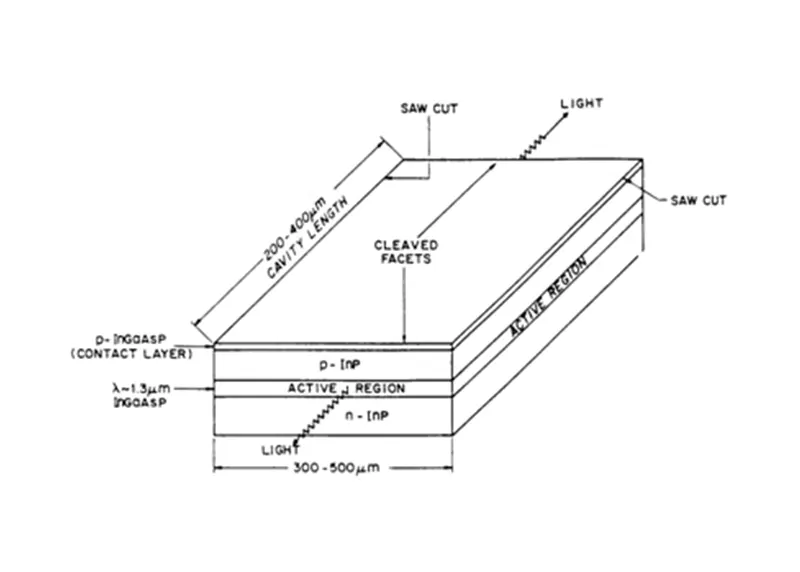
Summary:SLD Light Sources are a vital component in modern optical applications. Their ability to provide high brightness, low coherence, and stable performance makes them ideal for scientific, industrial, and medical applications. This article explores what SLD Light Sources are, why they are crucial, and how they can solve common challenges faced by optical system engineers, with practical insights from Box Optronics.
An SLD (Superluminescent Diode) Light Source is a semiconductor-based device that emits broadband light with high brightness and low temporal coherence. Unlike traditional lasers, SLDs combine the high intensity of a laser with the reduced coherence of an LED, making them ideal for applications requiring minimal interference and speckle-free illumination.
Key Features of SLD Light Sources
Broad spectral output for versatile applications
Low coherence to reduce interference effects
High brightness and stability
Compact and reliable semiconductor design
Applications of SLD Light Sources
Optical Coherence Tomography (OCT)
Fiber optic sensing and communication
Precision metrology
Biomedical imaging
Industrial inspection and quality control
Why SLD Light Sources Are Important
SLD Light Sources have become critical in optical systems because they address limitations found in conventional LEDs and lasers. By offering high intensity with low coherence, they minimize noise and interference, resulting in more accurate measurements and imaging.
Benefits Compared to Other Light Sources
Feature
SLD Light Source
LED
Laser
Coherence
Low
Very Low
High
Brightness
High
Moderate
Very High
Speckle Noise
Minimal
Minimal
High
Suitability for Imaging
Excellent
Good
Limited
Why Engineers Choose SLD
Reliable performance in sensitive optical systems
Enhanced image clarity and reduced artifacts
Compact design for integration into complex setups
Long operational lifetime
How to Use SLD Light Sources Effectively
Implementing an SLD Light Source properly ensures optimal performance in optical systems. Box Optronics provides advanced SLD solutions that simplify integration while delivering consistent output.
Best Practices for SLD Usage
Maintain proper thermal management to avoid performance drift.
Use compatible optical fibers to maximize light coupling efficiency.
Design the system to account for the SLD’s low coherence properties.
Regularly monitor output power to detect any degradation.
Incorporate feedback mechanisms when precision measurements are required.
Integration Tips
Align the SLD with collimators for optimal beam shaping
Combine with polarizers or filters for specialized applications
Leverage SLDs in multi-wavelength systems for advanced imaging
Consult Box Optronics’ application notes for system-specific guidance
Frequently Asked Questions
1. Can SLD Light Sources replace lasers in all optical systems?
Not always. SLDs are ideal for low coherence applications like OCT or fiber sensing, but for coherent applications like holography, lasers remain essential.
2. How long do SLD Light Sources last?
High-quality SLDs from Box Optronics typically have lifetimes exceeding 10,000 hours under proper operating conditions.
3. Are SLD Light Sources expensive?
While SLDs are more costly than LEDs, their superior performance and reliability often justify the investment for professional optical systems.
4. Can I integrate an SLD into existing fiber optic setups?
Yes, many SLDs are designed with standard fiber coupling options. Box Optronics provides guidance to ensure optimal compatibility.
5. What industries benefit most from SLD Light Sources?
Biomedical imaging, telecommunications, industrial inspection, and scientific research all see significant advantages from SLD implementation.
Contact Box Optronics
If you are seeking high-performance SLD Light Sources for your optical systems, Box Optronics offers a range of solutions tailored to scientific, industrial, and medical applications. Our team is ready to help you select, integrate, and optimize your light source to meet your specific needs. Contact us today to discuss your requirements and receive personalized support.
We use cookies to offer you a better browsing experience, analyze site traffic and personalize content. By using this site, you agree to our use of cookies.
Privacy Policy