News

SOAs Applications in Optical Communications

2026-06-09 0 Leave me a message

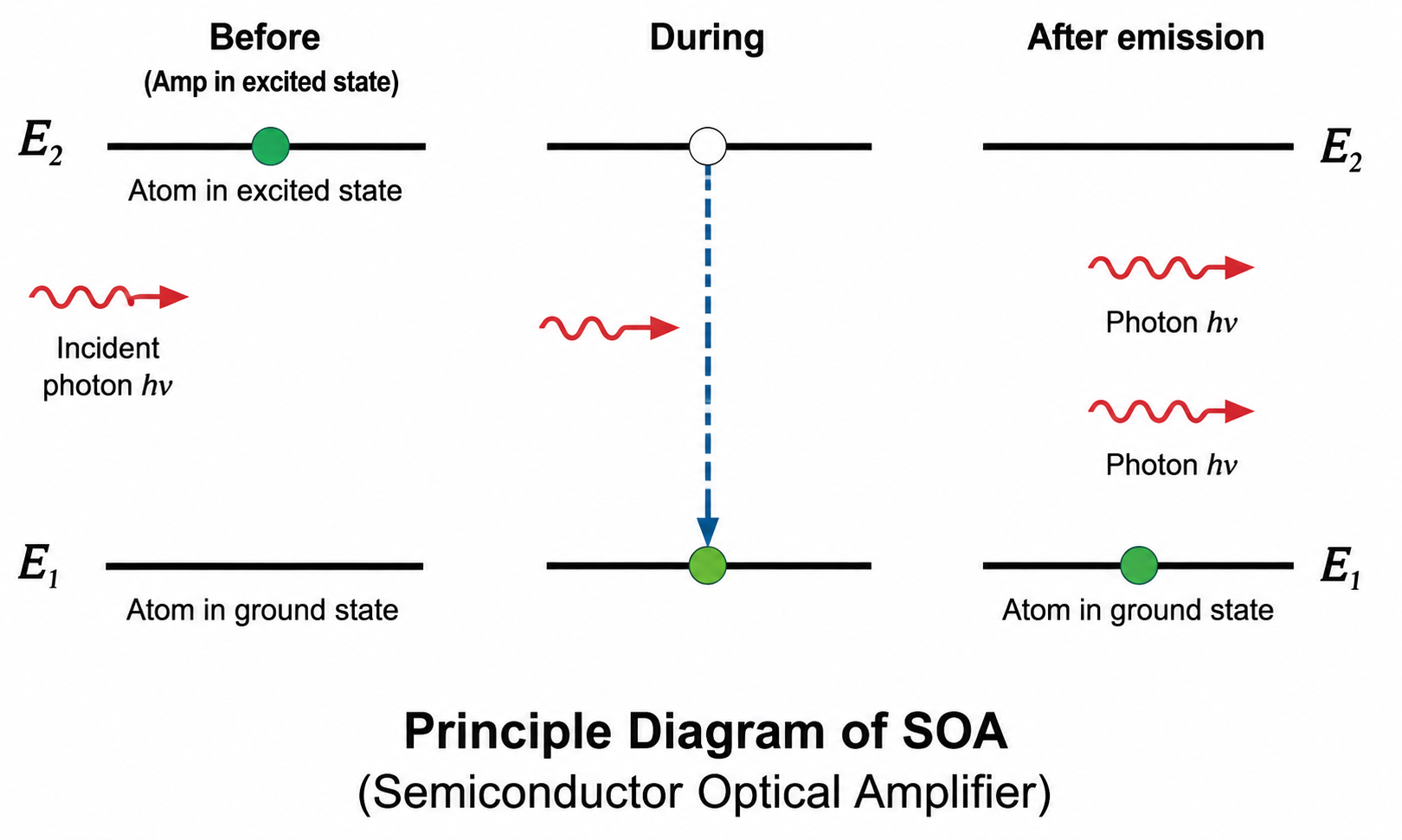
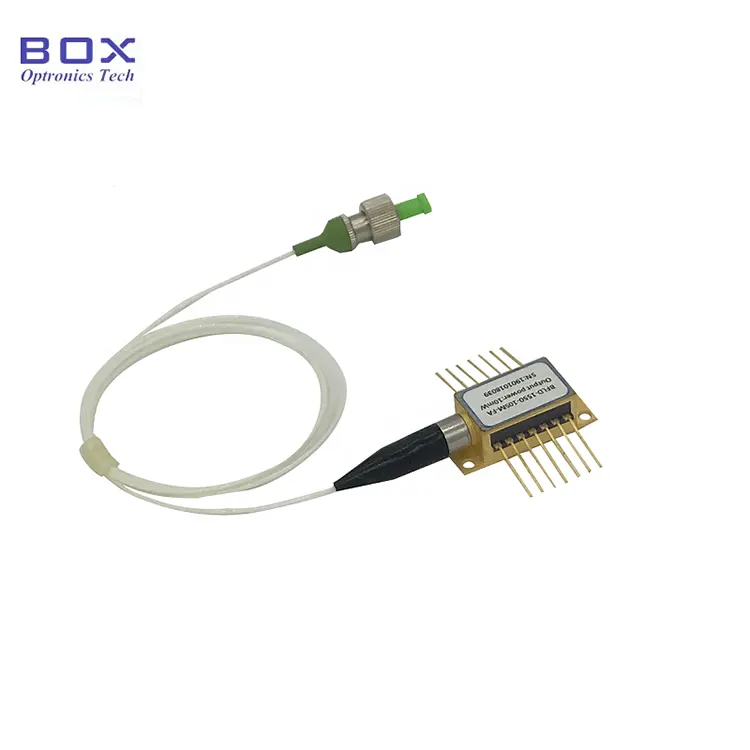
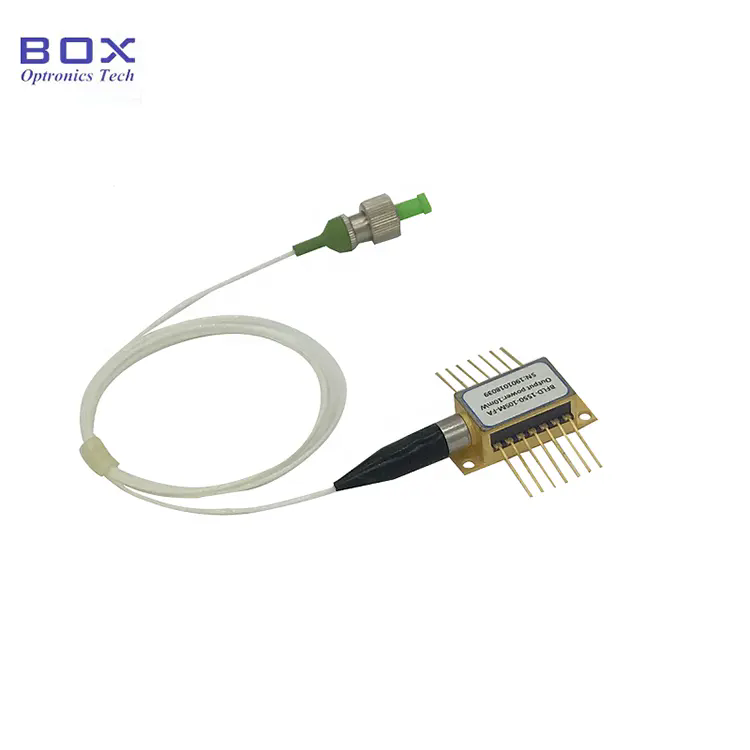
The Semiconductor Optical Amplifier (SOA) is a p-n junction device utilizing a strained quantum-well structure; incident light triggers stimulated emission, resulting in optical signal amplification.

Advantages: Chip-scale integration, low power consumption, full-band operation, low cost, and rich nonlinear properties.

Disadvantages: Polarization sensitivity and nonlinear interactions—such as cross-gain modulation—between different wavelength channels.


Principle Diagram of SOA


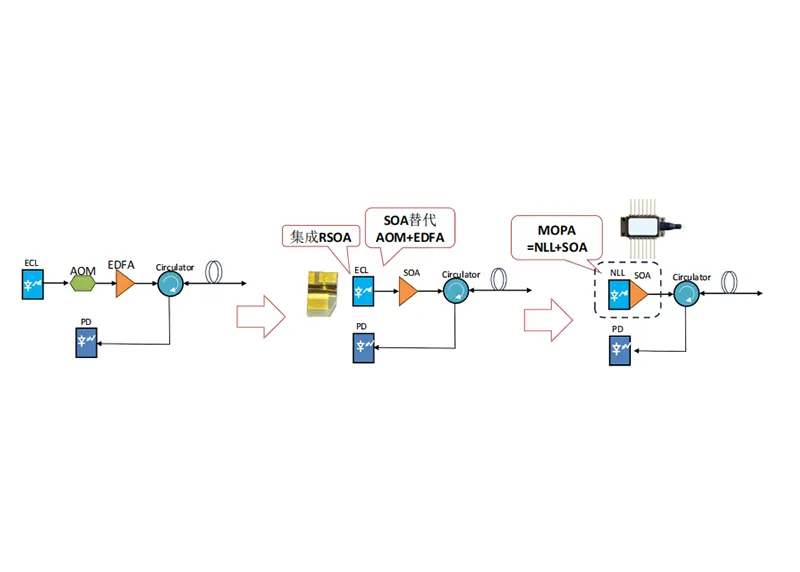
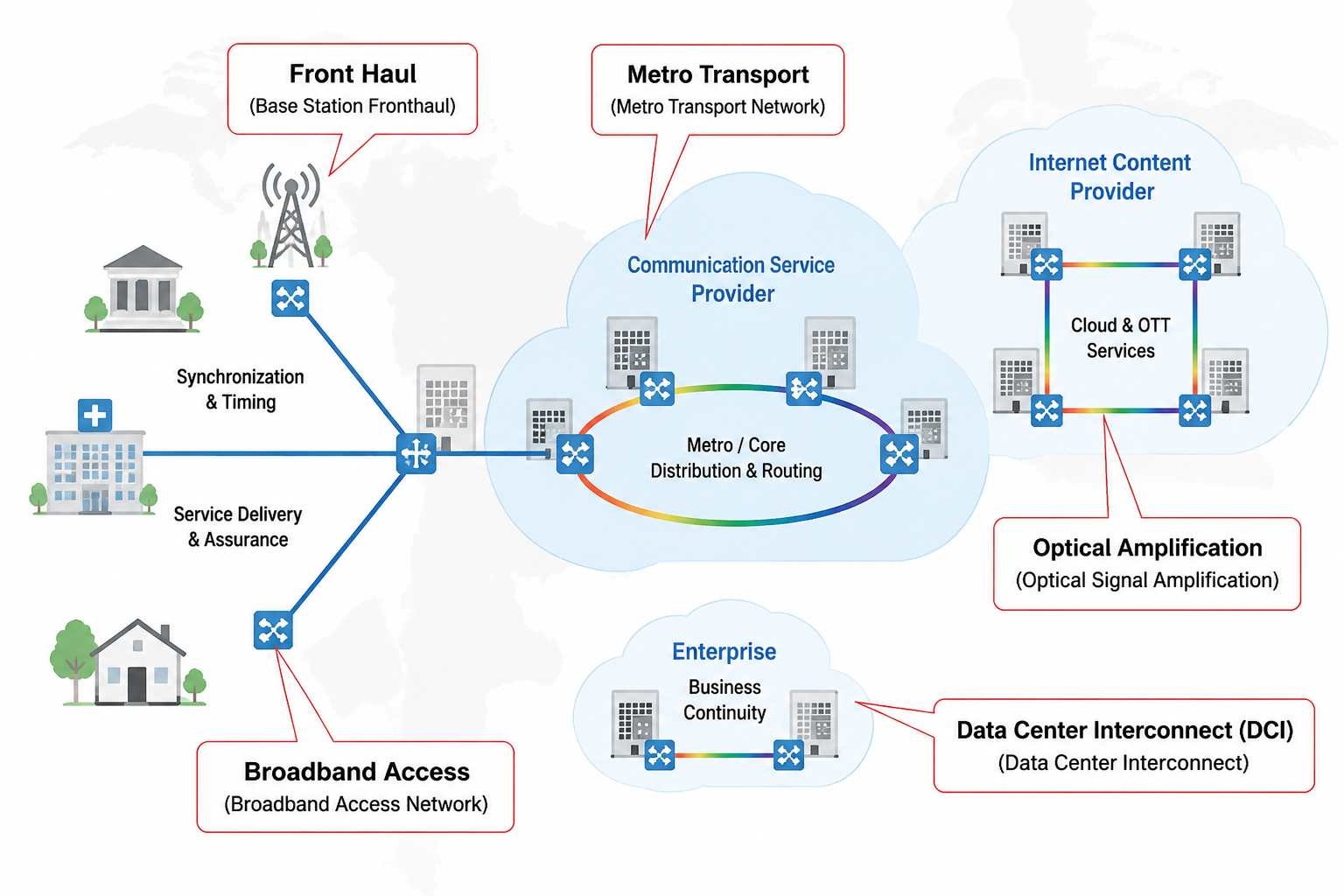
1. Optical Transport Networks: Optical amplification is a critical component of optical transport networks, serving to extend transmission distances. SOAs can replace the vast majority of EDFAs (with an annual demand of hundreds of thousands of units), particularly in:

· High-speed optical amplification (100G/200G/400G).

· ITLAs (Integrated Tunable Laser Assemblies) used in high-speed coherent optical modules, which require Gain Chips and SOAs.

· Channel filling applications.


2. Optical Access Networks: Fiber deployment conditions in access networks are complex and entail high signal loss; EDFAs cannot meet the requirements for O-band amplification. There is an urgent need for SOAs to improve access rates.

· Broadband Access: SOAs facilitate the widespread deployment of PONs, extending network coverage and increasing access rates.

· Broadband light sources and colorless ONUs in WDM-PON systems.

· Base station fronthaul: The advancement of C-RAN (Cloud-RAN) creates a need for O-band-compatible SOAs to support remote base station deployment.


3. Free-Space Optical Communication: Requires optical amplifiers that are compact, highly integrated, low-power, and radiation-resistant.


Related News
Leave me a message
X
We use cookies to offer you a better browsing experience, analyze site traffic and personalize content. By using this site, you agree to our use of cookies.Privacy Policy
RejectAccept