News

How Does a Semiconductor Optical System Enhance Modern Communication?

2026-06-04 0 Leave me a message

Summary: Semiconductor optical technologies have revolutionized data transmission, enabling faster, more efficient, and reliable communication systems. This article explores how semiconductor optical systems work, their applications, and why businesses should consider integrating them into their operations. We address common challenges, provide practical insights, and highlight industry best practices.

/1270nm-10dbm-semiconductor-optical-amplifier.html

Table of Contents


Introduction to Semiconductor Optical Systems

Semiconductor optical systems are pivotal in modern communication infrastructure. They leverage semiconductor materials to manipulate light for transmitting, amplifying, or switching optical signals. As businesses demand higher data throughput, reliability, and energy efficiency, these systems become increasingly vital.

With advances in semiconductor fabrication, optical devices now deliver remarkable performance improvements while reducing size and cost. This makes them ideal for telecom networks, data centers, and industrial applications.

  • High-speed data transmission
  • Low energy consumption
  • Compact and scalable design

Working Principle of Semiconductor Optical Devices

At the core of semiconductor optical systems is the principle of converting electrical signals into optical signals and vice versa. Key components include:

Component Function Benefits
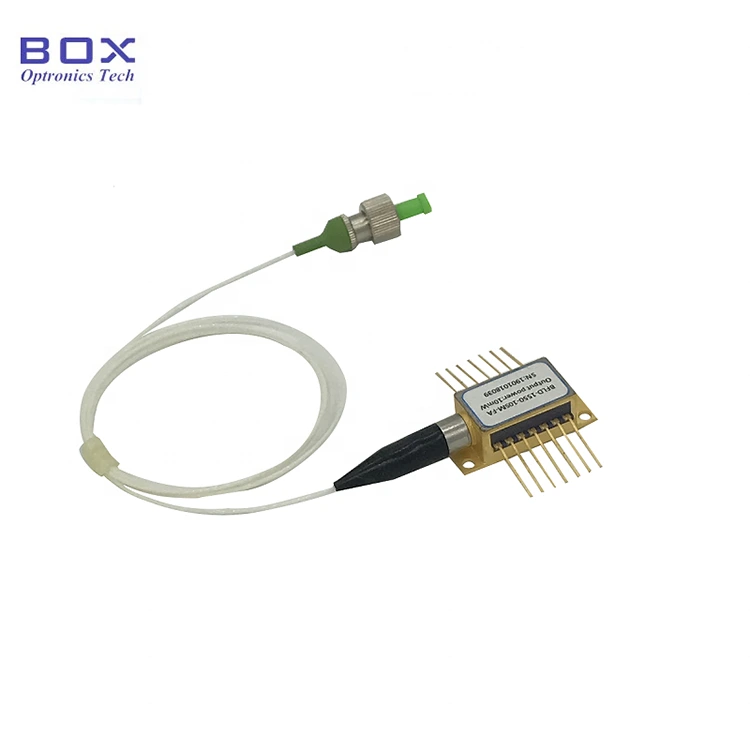
Semiconductor Laser Generates coherent light for data transmission High-speed modulation, low power
Optical Amplifier Boosts weak optical signals Extended communication range
Photodetector Converts optical signals back to electrical signals Accurate signal reception

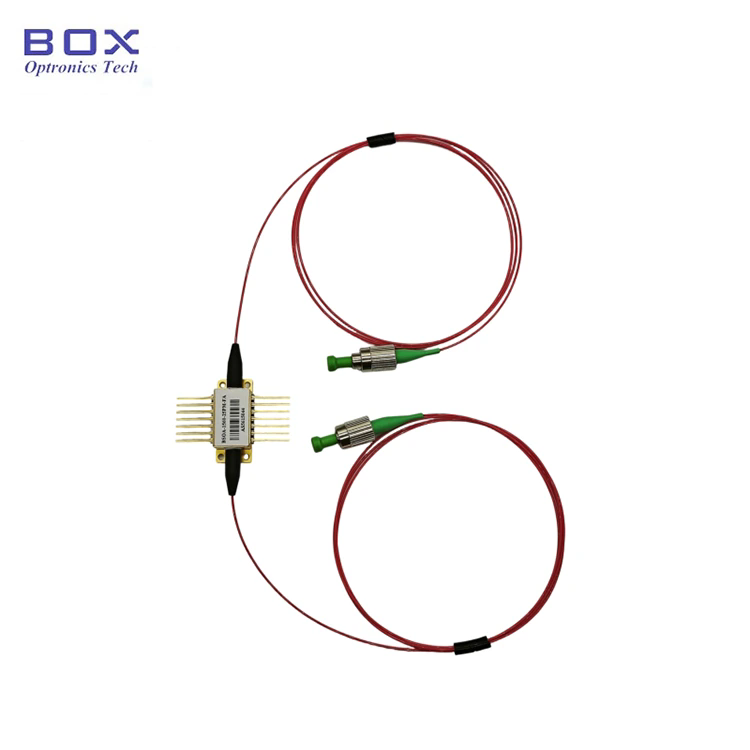
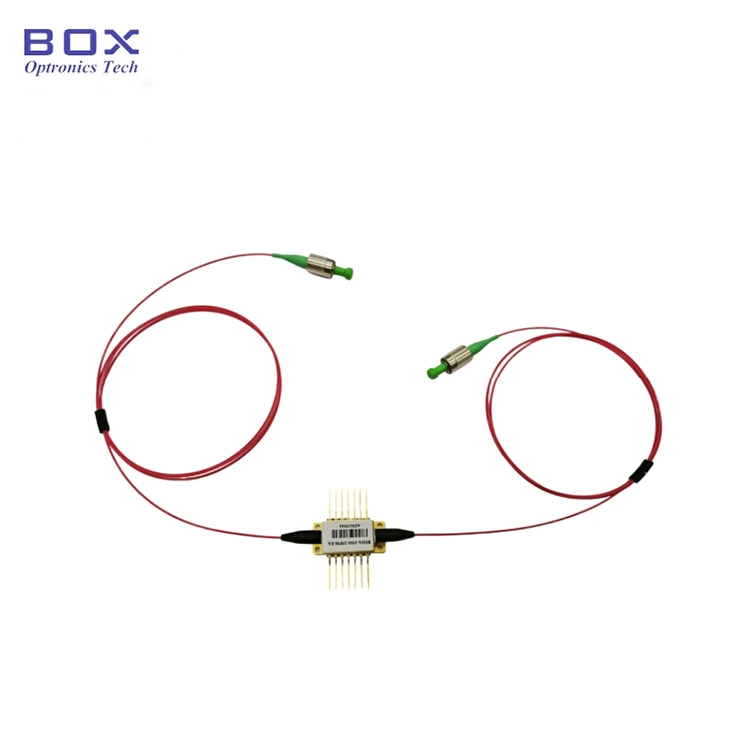
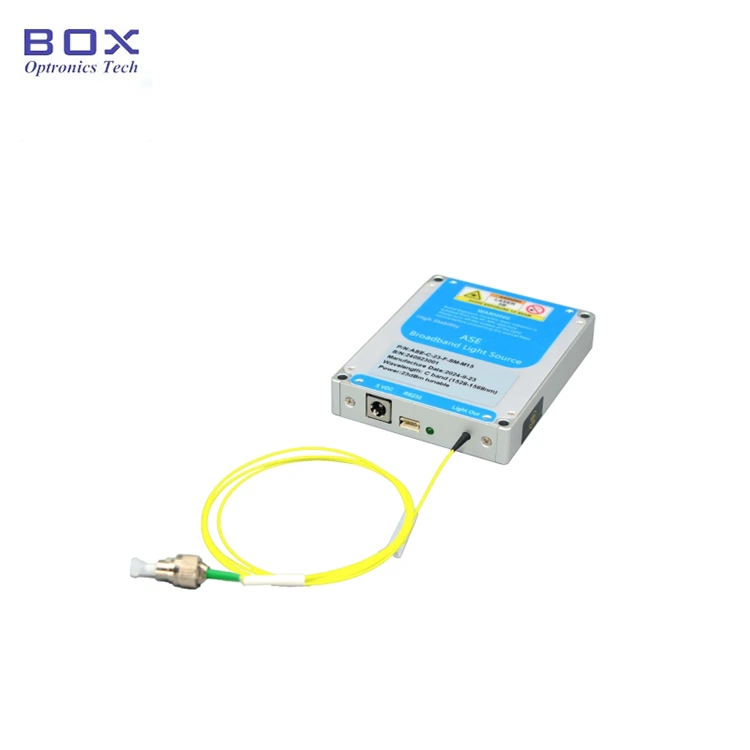
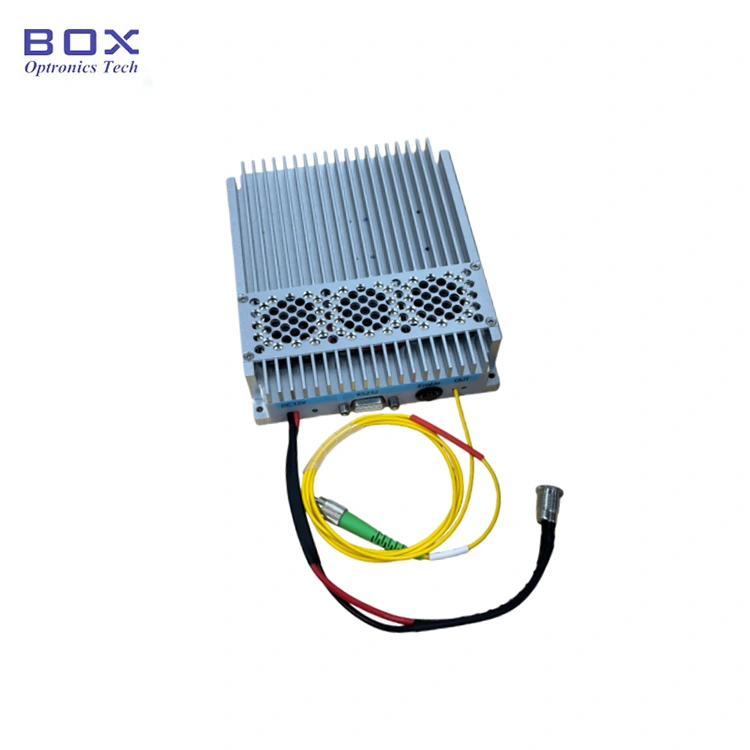
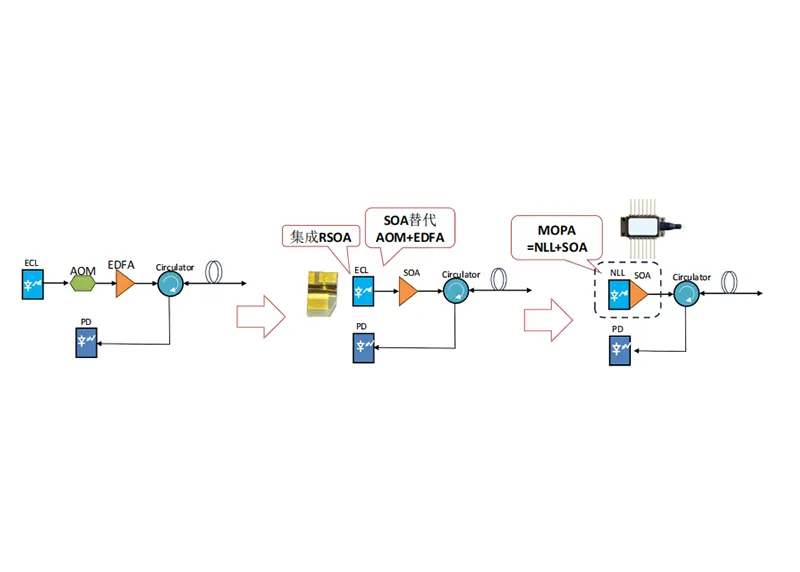
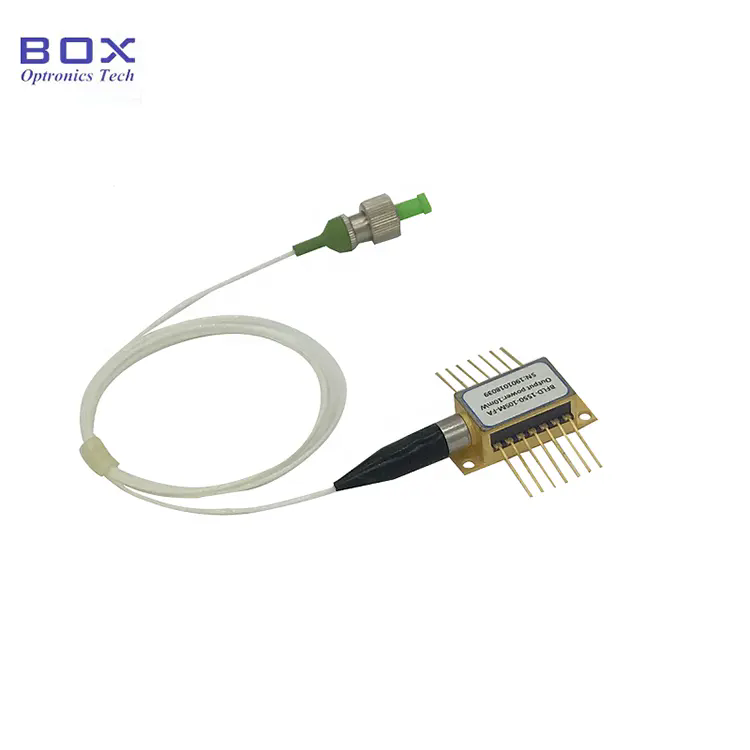
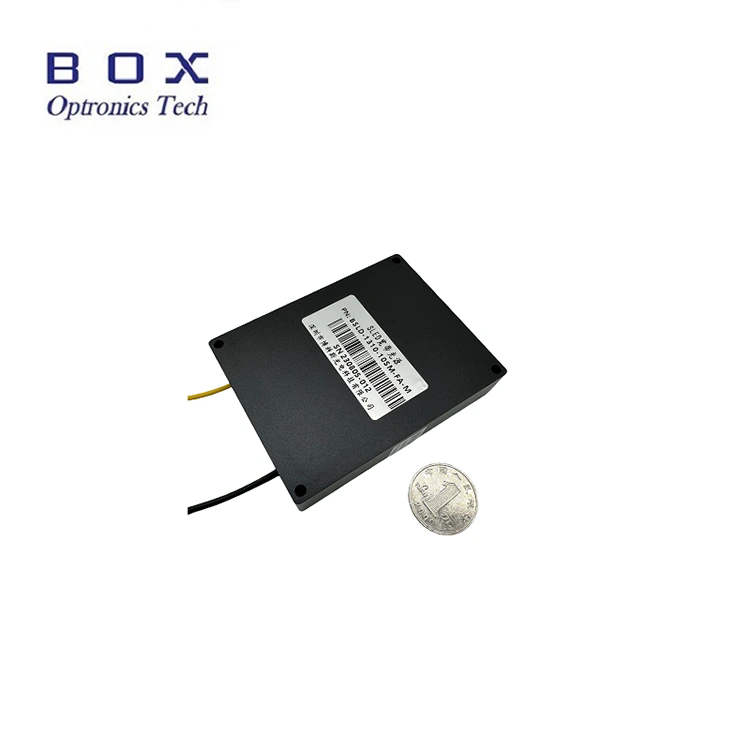
Semiconductor optical amplifiers (SOAs) are especially important. They enhance signal strength without converting the signal to electrical form, which reduces latency and increases network efficiency.


Key Applications and Benefits

Semiconductor optical technologies are widely applied across various industries:

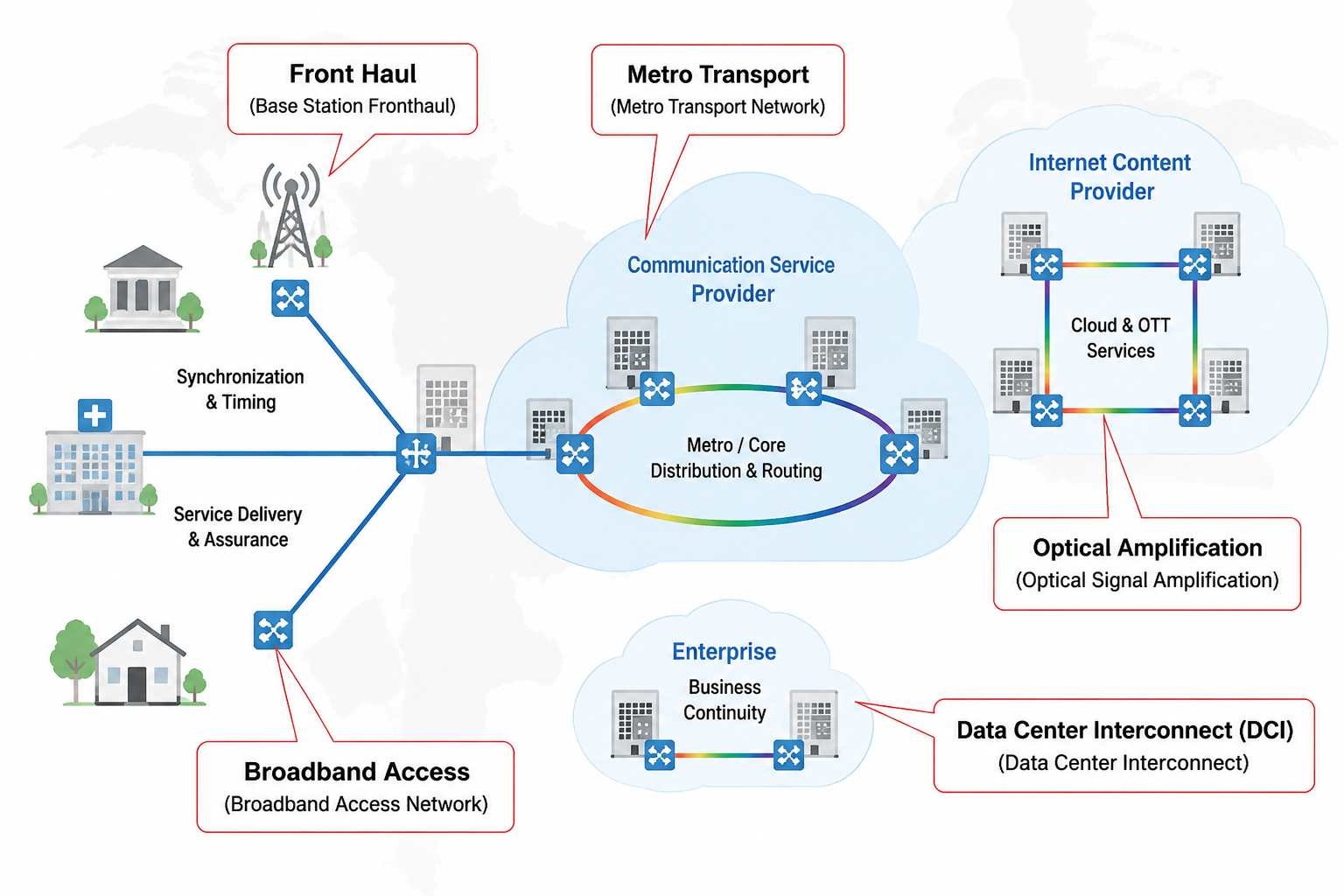
  • Telecommunications: Enable high-speed internet and long-distance data transfer.
  • Data Centers: Improve bandwidth and reduce latency in cloud computing.
  • Medical Devices: Used in optical sensors and diagnostic tools.
  • Industrial Automation: Enhance precision and control in optical measurement systems.

Benefits:

  1. Higher transmission speeds
  2. Reduced signal loss
  3. Lower energy consumption
  4. Compact and flexible design

Common Challenges and Solutions

Despite their advantages, semiconductor optical systems face some challenges:

  • Temperature Sensitivity: High temperatures can affect performance. Solution: Implement cooling systems or temperature-compensated designs.
  • Signal Distortion: Noise and interference may degrade signal quality. Solution: Use advanced modulation techniques and optical amplifiers.
  • Cost Concerns: High initial investment for cutting-edge devices. Solution: Evaluate long-term ROI through energy savings and reduced maintenance.

Choosing the Right Semiconductor Optical Device

Selecting the right device depends on specific operational needs. Key considerations include:

Criteria Considerations
Wavelength Choose based on application range and fiber type
Power Output Ensure sufficient signal strength for your network
Integration Capability Compatibility with existing infrastructure
Reliability Check MTBF ratings and manufacturer support

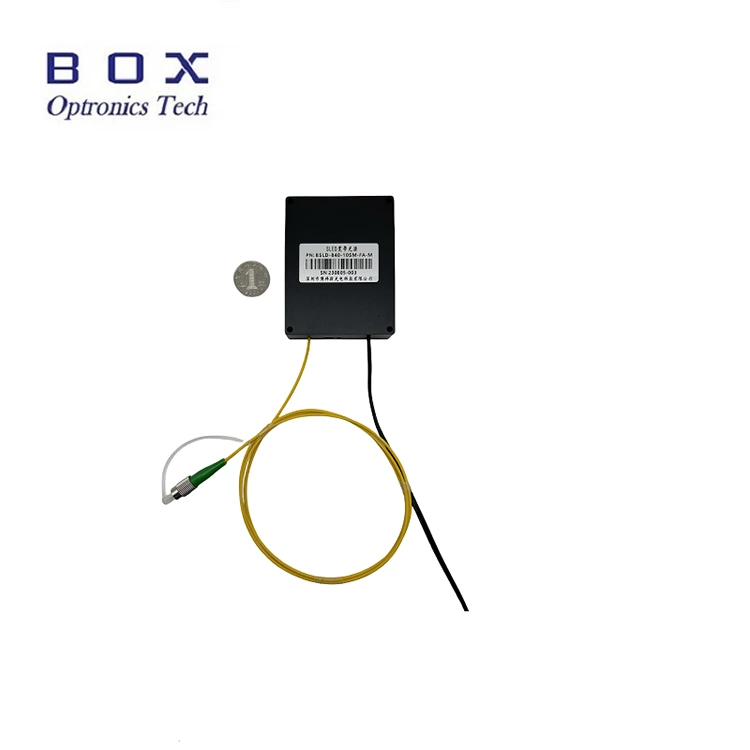
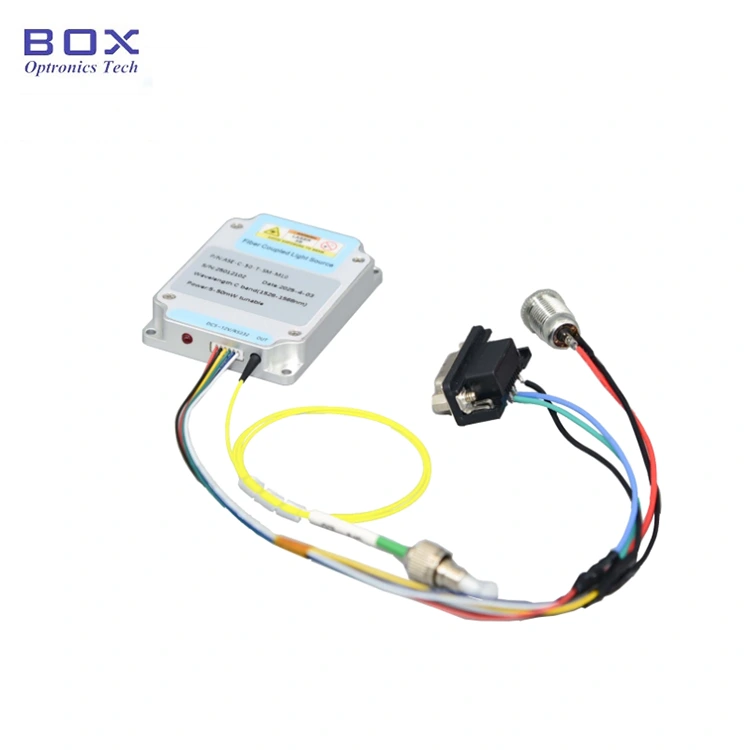
Partnering with a trusted provider like Box Optronics ensures access to high-quality semiconductor optical amplifiers and tailored solutions for complex communication networks.


Frequently Asked Questions

Q1: What is a semiconductor optical amplifier (SOA)?

A: An SOA is a device that amplifies optical signals directly without converting them to electrical signals, reducing latency and improving efficiency.

Q2: How do semiconductor optical devices improve data center performance?

A: By boosting signal strength and enabling high-speed transmission, they reduce bottlenecks and energy consumption in large-scale data centers.

Q3: Are semiconductor optical systems suitable for industrial environments?

A: Yes, especially for precision measurement and automation applications where compact, high-speed optical solutions are needed.


Conclusion

Semiconductor optical systems play a critical role in modern communication and technology infrastructures. Their ability to deliver high-speed, energy-efficient, and reliable performance makes them indispensable for telecom, data centers, medical, and industrial applications. By understanding the working principles, benefits, and challenges, businesses can make informed decisions and optimize their operations.

For tailored solutions and more information about cutting-edge semiconductor optical devices, trust Box Optronics. Contact us today to explore how our products can enhance your network performance and efficiency.

Related News
Leave me a message
X
We use cookies to offer you a better browsing experience, analyze site traffic and personalize content. By using this site, you agree to our use of cookies.Privacy Policy
RejectAccept