News

How Do Gas Sensing Lasers Transform Industrial Safety and Environmental Monitoring?

2026-05-21 0 Leave me a message

Abstract: Gas sensing lasers have revolutionized the way industries and environmental agencies detect and monitor hazardous gases. By combining precision laser technology with advanced detection systems, these lasers offer real-time, accurate, and safe monitoring solutions. This article explores their working principles, benefits, applications, and how Box Optronics leads the field in providing innovative solutions for diverse sectors.

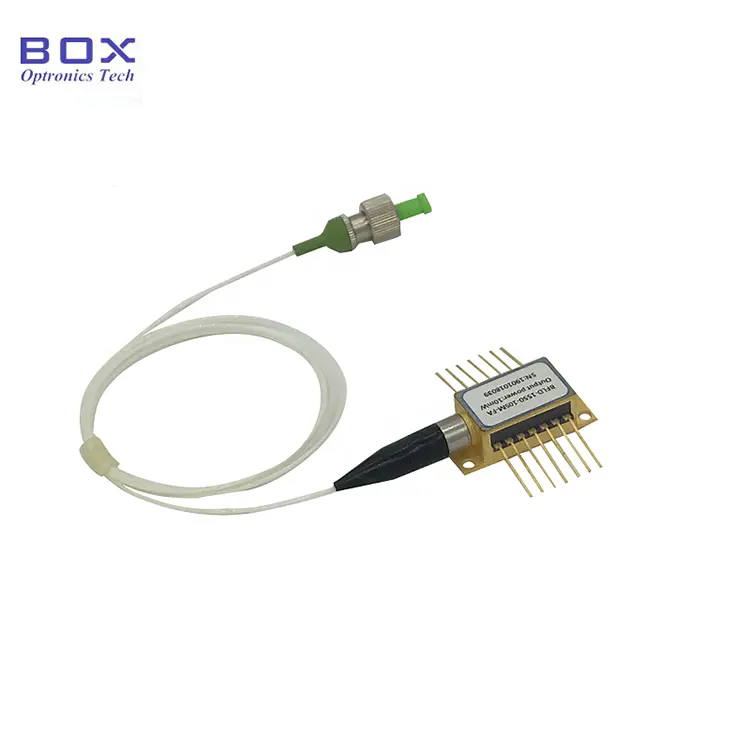
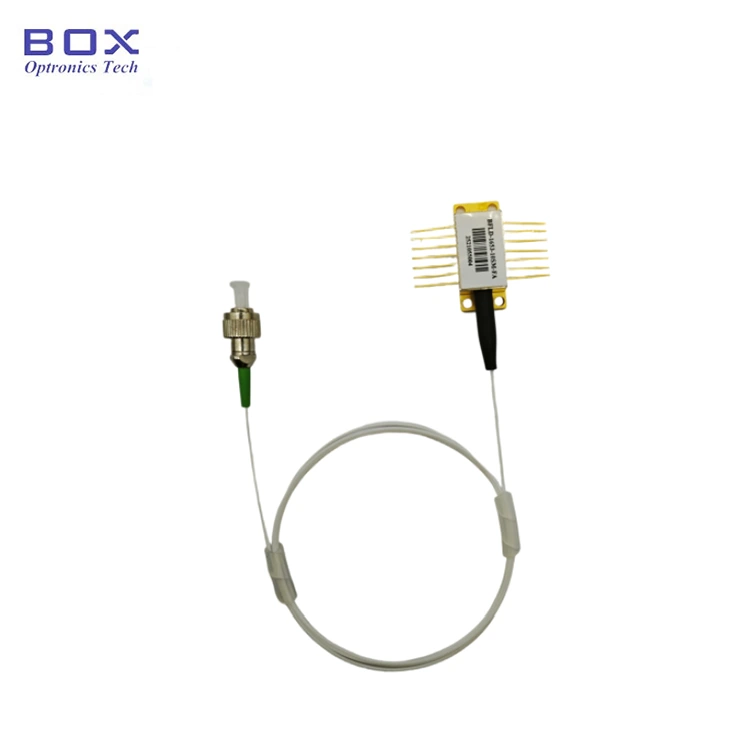
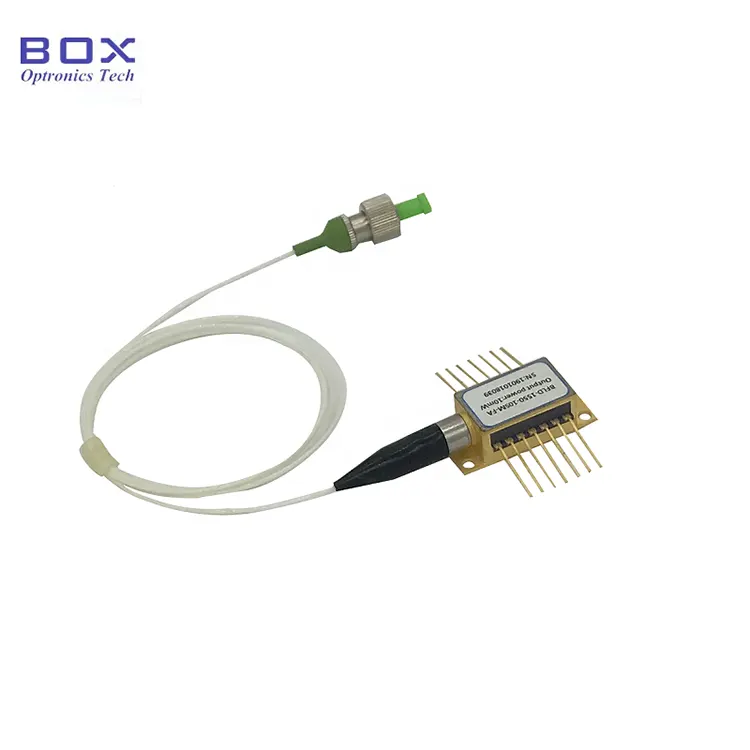
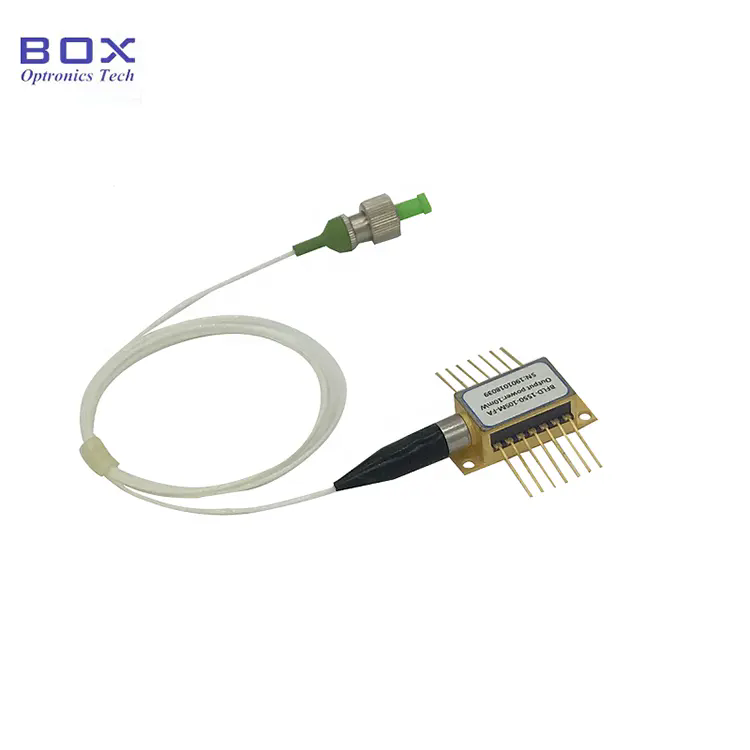
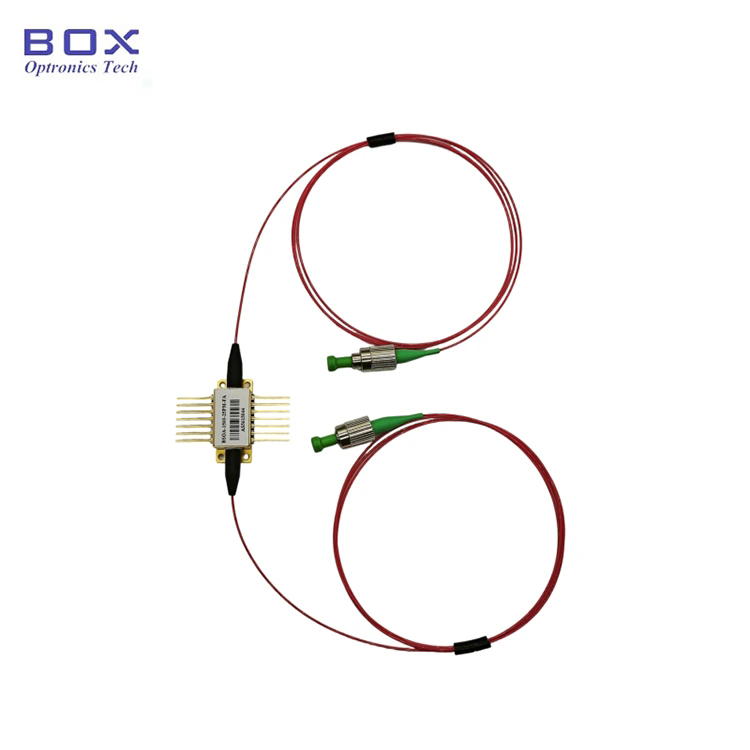
1567nm DFB Butterfly Laser Diode

Table of Contents


Introduction to Gas Sensing Lasers

Gas sensing lasers are advanced optical devices that use laser light to detect the presence of specific gases in the atmosphere. Unlike traditional chemical sensors, lasers provide a non-contact, highly sensitive, and fast-response method of detection. Industries ranging from oil and gas to environmental monitoring rely on these devices for safety, compliance, and operational efficiency.

Box Optronics has been at the forefront of developing precision gas sensing lasers, offering solutions that balance high sensitivity with durability and cost-effectiveness.


How Gas Sensing Lasers Work

The working principle of gas sensing lasers is based on the interaction of laser light with gas molecules. When a laser beam passes through a gas, certain wavelengths are absorbed by specific molecules, allowing the detection system to identify the gas type and concentration.

Key Components

  • Laser Source: Emits a coherent light beam at a specific wavelength absorbed by the target gas.
  • Optical Path: Directs the laser through the area to be monitored.
  • Detector: Measures changes in the laser light intensity to determine gas presence.
  • Signal Processor: Converts the optical signal into readable concentration data.

Detection Techniques

Technique Advantages Applications
Tunable Diode Laser Absorption Spectroscopy (TDLAS) High sensitivity, real-time measurement Industrial gas leak detection, environmental monitoring
Photoacoustic Spectroscopy (PAS) Compact design, low detection limit Air quality monitoring, trace gas detection
Laser-Induced Fluorescence (LIF) Can detect very low concentrations Scientific research, pollutant tracing

Key Benefits of Using Gas Sensing Lasers

Industries adopting gas sensing lasers enjoy numerous advantages, including:

  • Real-time Monitoring: Instant detection enables rapid response to leaks and hazardous conditions.
  • High Sensitivity: Can detect gases at parts-per-million (ppm) or even parts-per-billion (ppb) levels.
  • Non-Contact Operation: Reduces risk to personnel and equipment.
  • Long-Term Stability: Laser systems provide consistent performance over years with minimal maintenance.
  • Versatility: Detects multiple gases without changing hardware.

Applications Across Industries

Gas sensing lasers are used in multiple sectors, including:

Industrial Safety

  • Monitoring combustible gases in oil refineries and chemical plants
  • Leak detection in pipelines to prevent catastrophic failures

Environmental Monitoring

  • Tracking greenhouse gases such as CO₂ and methane
  • Monitoring urban air pollution for regulatory compliance

Scientific Research

  • Studying atmospheric chemistry and climate change
  • Analyzing trace gases in laboratory experiments

Medical and Laboratory Applications

  • Non-invasive breath analysis for diagnostic purposes
  • Monitoring anesthetic gases in hospitals

Guide to Selecting the Right Gas Sensing Laser

Selecting a gas sensing laser depends on several critical factors:

  1. Target Gas: Ensure the laser wavelength matches the absorption line of the gas.
  2. Detection Range: Consider the maximum distance the laser needs to cover.
  3. Environmental Conditions: Temperature, humidity, and dust may affect sensor choice.
  4. Response Time: Real-time applications require faster detection technologies.
  5. Budget and Maintenance: Balance initial cost with long-term reliability and service needs.

Box Optronics offers a range of customizable solutions to fit each specific requirement, ensuring optimal performance in diverse environments. For product details, visit Box Optronics Gas Sensing Lasers.


Frequently Asked Questions

1. Can gas sensing lasers detect multiple gases at once?

Yes. Many modern systems can monitor several gases simultaneously by tuning the laser to different absorption wavelengths.

2. How often do these systems need calibration?

Gas sensing lasers generally require minimal calibration, often annually, depending on environmental conditions and usage.

3. Are these lasers safe for continuous use?

Yes. They are designed for industrial environments and pose no risk when properly installed and maintained.

4. How do these lasers compare to traditional sensors?

Laser-based sensors offer higher sensitivity, faster response times, and non-contact operation compared to traditional chemical sensors.


Conclusion and Next Steps

Gas sensing lasers are transforming how industries approach safety and environmental monitoring. With their high sensitivity, real-time capabilities, and versatile applications, they provide a reliable solution for detecting hazardous gases and maintaining compliance.

Box Optronics is committed to providing cutting-edge gas sensing lasers tailored to your needs. For more information on solutions that fit your specific applications, contact us today and discover how our technology can enhance safety and operational efficiency.

Related News
Leave me a message
X
We use cookies to offer you a better browsing experience, analyze site traffic and personalize content. By using this site, you agree to our use of cookies.Privacy Policy
RejectAccept