News

How Does an SLD Light Source Improve Optical System Performance?

2026-08-11 0 Leave me a message

Article Summary

Modern optical systems require light sources that can deliver high stability, broad spectral coverage, and reliable performance under demanding operating conditions. Traditional light sources often struggle with limitations such as narrow bandwidth, unstable output power, and insufficient coherence control. An SLD Light Source provides an effective solution by combining the advantages of semiconductor technology with broadband optical output.

This article explains how an SLD Light Source works, why it is widely used in applications such as optical coherence tomography (OCT), fiber sensing, interferometry, and optical testing, and how companies like Box Optronics provide customized solutions to overcome common integration challenges. The goal is to help engineers, researchers, and system developers understand how selecting the right SLD Light Source can improve measurement accuracy, system reliability, and application efficiency.

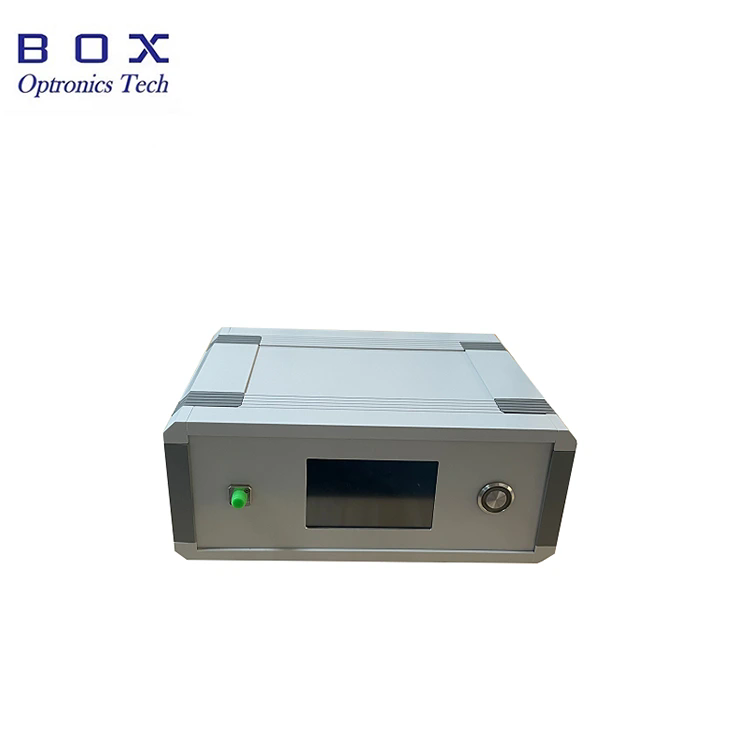
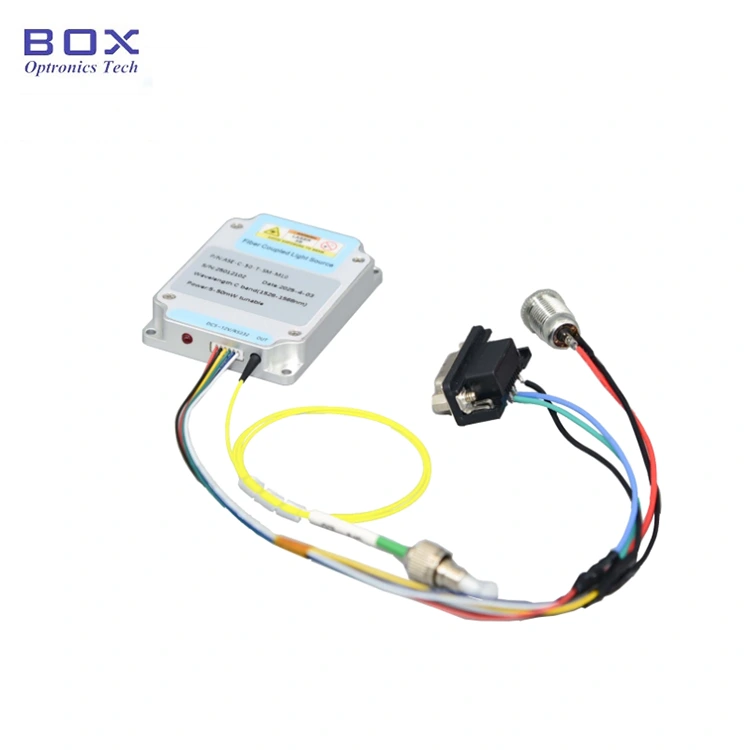
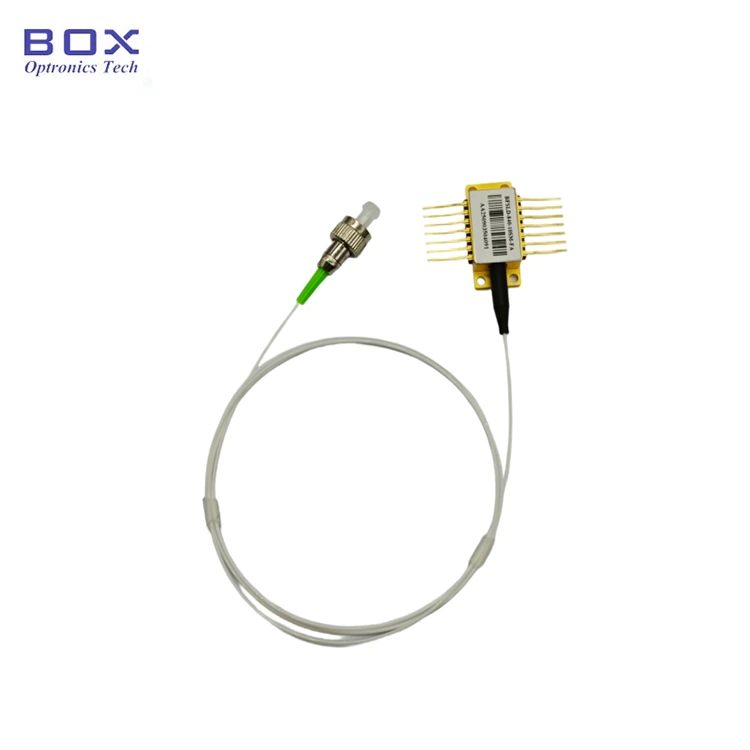
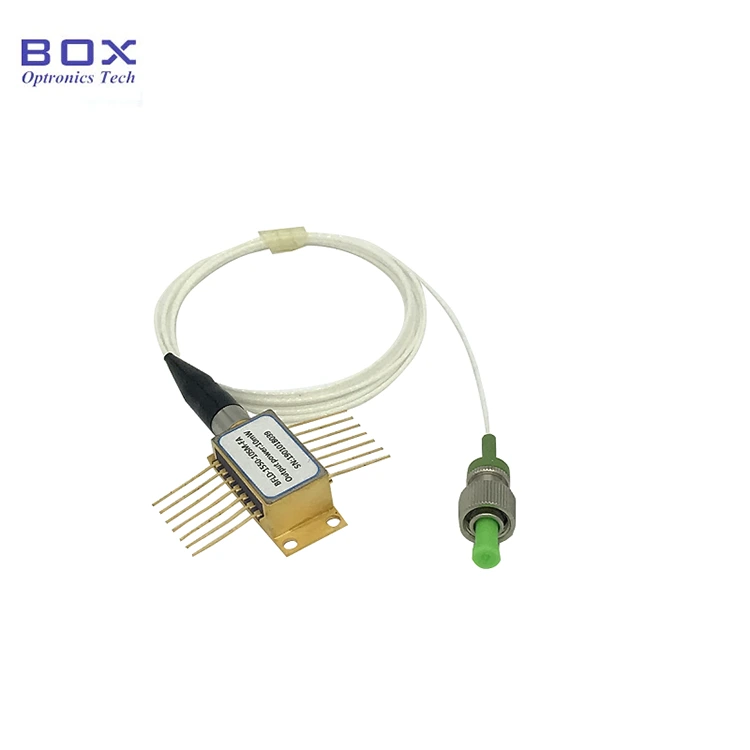
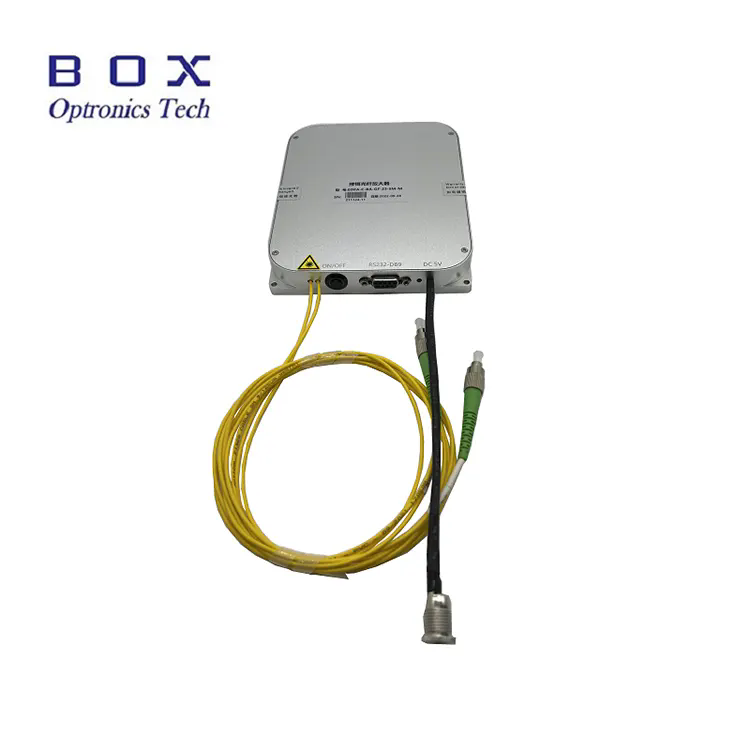
1310nm 80mW SLD high power Light Source

Table of Contents


1. Introduction to SLD Light Source Technology

The development of advanced optical technologies has increased the demand for light sources that provide both wide spectral output and excellent stability. In applications where precise measurement and high-resolution imaging are required, conventional LEDs or laser sources may not always meet performance expectations.

An SLD Light Source, also known as a Superluminescent Diode Light Source, is a semiconductor-based optical source that produces broadband light with relatively low coherence. It fills the performance gap between lasers and LEDs by offering higher brightness than LEDs while maintaining a wider spectrum than traditional laser diodes.

According to optical technology requirements, SLD solutions are commonly designed with different wavelength options, including 840nm, 1064nm, 1310nm, and 1550nm configurations, allowing engineers to select suitable solutions for different sensing and imaging systems. Box Optronics develops various SLD Light Source products with integrated driving systems and customized configurations for industrial and research applications.


2. How Does an SLD Light Source Work?

Understanding the working principle of an SLD Light Source helps engineers choose the correct optical component for their systems.

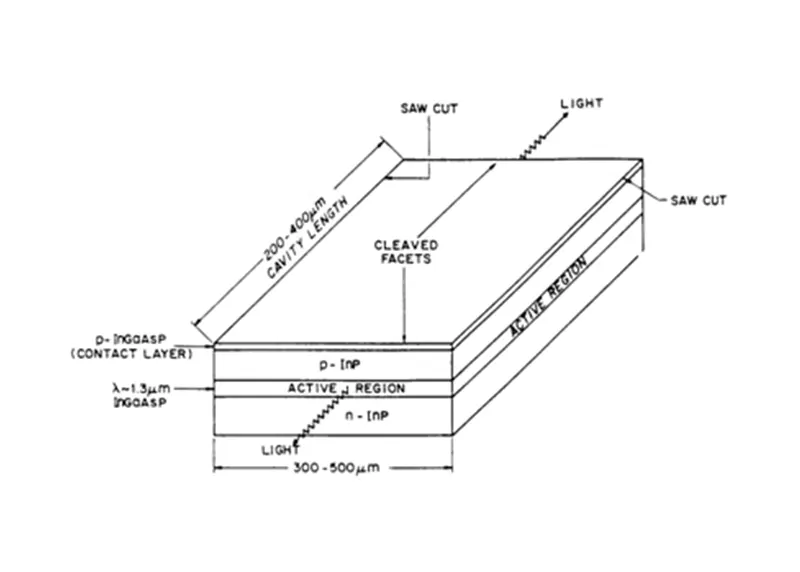
An SLD operates through semiconductor spontaneous emission combined with optical amplification. Unlike a laser diode, an SLD does not rely on a resonant optical cavity to generate strong coherent light. Instead, it uses a semiconductor gain region to amplify emitted photons while maintaining broadband characteristics.

Component Function
Semiconductor Gain Chip Generates optical energy through electrical excitation.
Optical Waveguide Controls and directs light transmission.
Fiber Coupling System Transfers optical output into fiber-based systems.
Temperature Control Unit Maintains stable wavelength and output power.
Driver Circuit Provides accurate current and power management.

The combination of optical amplification and broadband emission allows SLD Light Sources to provide stable output with excellent spectral characteristics. Advanced designs may include automatic temperature control (ATC) and automatic power control (APC) technologies to maintain consistent performance during long-term operation.


3. Key Advantages of Using an SLD Light Source

Many engineers face challenges when selecting optical sources, including unstable output, limited bandwidth, and difficulty integrating components into existing systems. SLD Light Sources address these issues through several important advantages.

  • Broad Optical Spectrum: SLD technology provides wide spectral bandwidth, making it suitable for high-resolution imaging and sensing applications.
  • Low Coherence Output: Reduced coherence helps minimize unwanted interference noise in precision measurement systems.
  • High Output Power: Compared with conventional broadband LEDs, SLD sources can provide stronger optical signals.
  • Excellent Stability: Integrated control systems improve output consistency during continuous operation.
  • Compact Integration: Modular designs allow easier installation in industrial equipment and laboratory instruments.
Customer Challenge SLD Light Source Solution
Insufficient imaging resolution Broad spectrum improves axial resolution in OCT systems.
Signal fluctuation during operation Stable temperature and power control improve reliability.
Difficult system integration OEM modules and customized packages simplify installation.
Limited application flexibility Multiple wavelengths support different optical requirements.

4. Where Are SLD Light Sources Commonly Used?

The unique characteristics of SLD technology make it valuable across multiple industries. Different wavelength ranges and output power levels allow SLD systems to support diverse applications.

  • Optical Coherence Tomography (OCT): SLD Light Sources provide broadband illumination for high-resolution medical and industrial imaging.
  • Fiber Optic Sensing: They are widely used for temperature monitoring, structural health monitoring, and precision sensing systems.
  • Fiber Optic Gyroscopes: Stable broadband output helps improve navigation accuracy.
  • Interferometry: Low coherence characteristics support precise distance and surface measurements.
  • Optical Component Testing: SLD sources help evaluate passive optical devices and communication components.

As optical systems continue developing toward higher precision and smaller dimensions, reliable broadband sources have become increasingly important for engineers and researchers.


5. How to Choose the Right SLD Light Source?

Choosing an appropriate SLD Light Source requires consideration of several technical factors. A mismatch between the light source and application requirements may lead to reduced system performance.

Selection Factor Important Consideration
Operating Wavelength Select according to application requirements, such as 840nm, 1310nm, or 1550nm systems.
Output Power Higher power may be required for long-distance sensing or demanding imaging applications.
Spectral Bandwidth Wider bandwidth can improve measurement resolution.
Package Type Choose butterfly, module, or benchtop designs according to integration needs.
Control Interface Communication options improve monitoring and system management.

Professional manufacturers can provide customized solutions based on wavelength, power, fiber type, size, and control requirements, helping customers reduce development time and improve product performance.


6. Why Choose Box Optronics for SLD Light Source Solutions?

Box Optronics specializes in optical modules, laser devices, and customized optical solutions for fiber communication and fiber sensing applications. The company provides SLD Light Source products designed for demanding applications requiring stable broadband optical performance.

With experience in optoelectronic development and manufacturing, Box Optronics offers different SLD configurations, including fiber-coupled modules, integrated driver solutions, and customized designs. These products support applications such as OCT imaging, optical sensing, interferometry, and laboratory research.

A major advantage of working with Box Optronics is the ability to customize important parameters according to customer requirements, including wavelength selection, output power, spectral characteristics, package dimensions, and system interfaces.

For engineers developing specialized optical equipment, customized SLD Light Source solutions can significantly improve integration efficiency and product competitiveness.


7. SLD Light Source vs Other Optical Sources

Feature SLD Light Source LED Laser Diode
Spectrum Width Wide Very Wide Narrow
Coherence Low Low High
Brightness High Medium Very High
Imaging Applications Excellent Limited Application Dependent
Precision Measurement Highly Suitable Less Suitable Requires Additional Control

Compared with LEDs and laser diodes, SLD Light Sources provide a balanced solution where both broadband characteristics and optical intensity are required.


8. Frequently Asked Questions About SLD Light Sources

Q1: What is the main difference between an SLD Light Source and a laser diode?

An SLD Light Source provides broadband, low-coherence output, while laser diodes generally produce narrow-spectrum, highly coherent light. This makes SLD technology more suitable for imaging and sensing applications requiring reduced interference.

Q2: Which wavelengths are available for SLD Light Sources?

Common wavelength options include 840nm, 1064nm, 1310nm, and 1550nm. Customized wavelength solutions can also be developed based on application requirements.

Q3: Can SLD Light Sources be customized?

Yes. Manufacturers such as Box Optronics provide customized options for output power, fiber type, package design, dimensions, and communication interfaces.

Q4: What industries benefit from SLD Light Source technology?

Medical imaging, industrial inspection, fiber sensing, optical testing, and research laboratories commonly use SLD Light Sources because of their stability and broadband performance.

Q5: How can an SLD Light Source improve system reliability?

By providing stable optical output, precise temperature management, and controlled spectral performance, SLD Light Sources help optical systems maintain consistent operation over long periods.


Conclusion

An SLD Light Source plays an important role in modern optical systems by combining broadband performance, stable output, and low coherence characteristics. From medical imaging to fiber sensing and optical measurement, SLD technology provides a reliable solution for applications requiring precision and efficiency.

With professional development capabilities and customized optical solutions, Box Optronics helps customers build advanced optical systems that meet specific technical requirements. If you are looking for a reliable SLD Light Source solution for your project, please contact us today for professional support and customized assistance.

Related News
Leave me a message
X
We use cookies to offer you a better browsing experience, analyze site traffic and personalize content. By using this site, you agree to our use of cookies.Privacy Policy
RejectAccept