Products
C-Band Tunable Laser Module
  • C-Band Tunable Laser ModuleC-Band Tunable Laser Module
  • C-Band Tunable Laser ModuleC-Band Tunable Laser Module
  • C-Band Tunable Laser ModuleC-Band Tunable Laser Module
  • C-Band Tunable Laser ModuleC-Band Tunable Laser Module

C-Band Tunable Laser Module

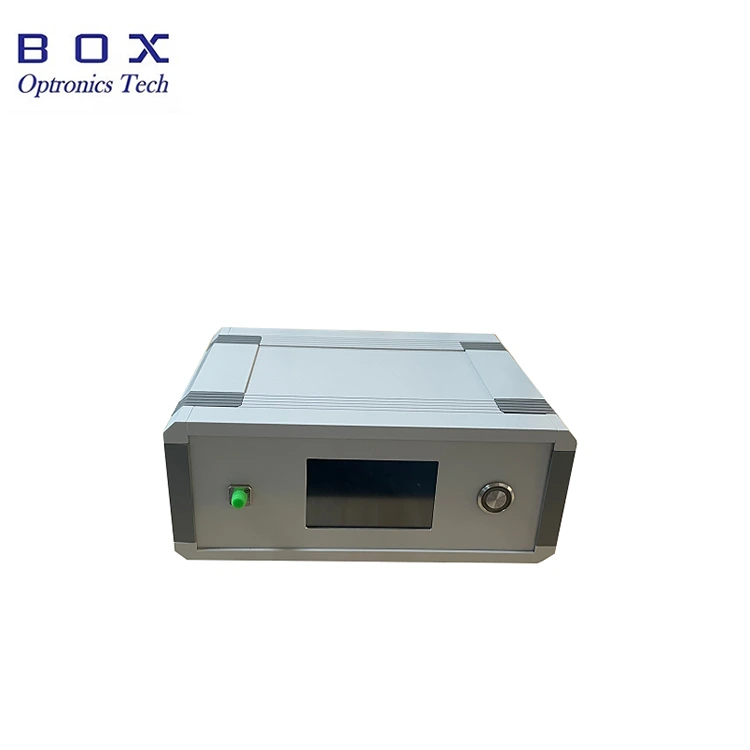
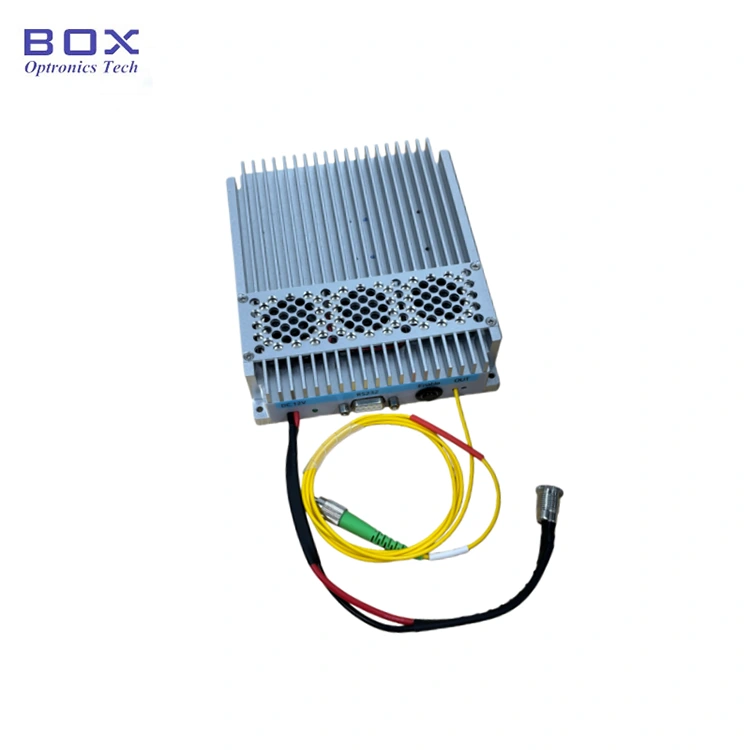
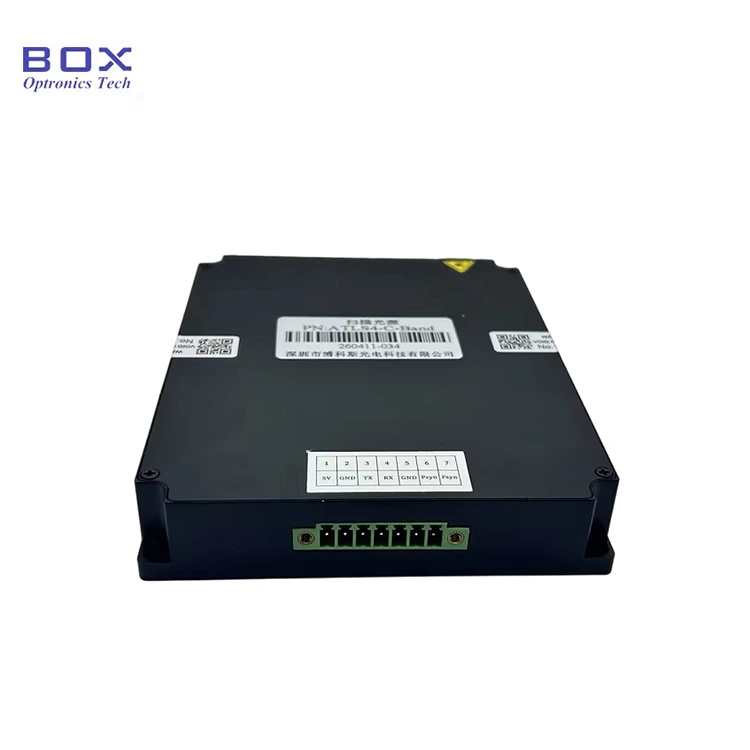
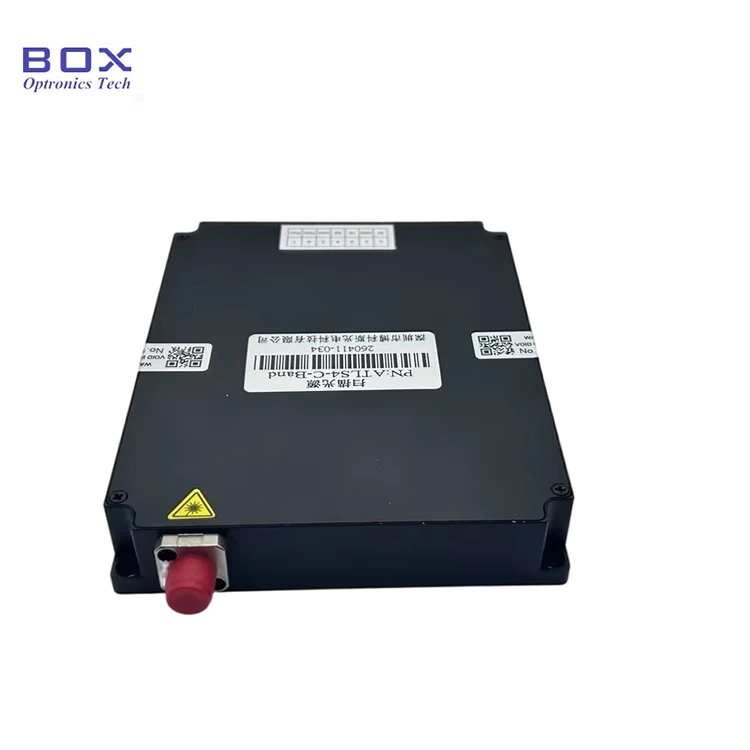
Box Optronics, a professional optoelectronic component manufacturer and supplier, offers the C-Band Tunable Laser Module (ATLS4 or HTLS4 Series), a high-performance wavelength-tunable laser source designed for fiber Bragg grating (FBG) demodulation systems and optical passive device testing. Featuring a wide C-band wavelength tuning range (1525-1568nm), provides stable output power, and fast wavelength scanning capability. It can operate as both a stable fixed-wavelength laser source for single-channel optical measurements and a wavelength-scanning laser source for spectral analysis, FBG interrogation, and optical device characterization.

Product Overview-C-Band Tunable Laser Module

The C-Band Tunable Laser Module (ATLS4 / HTLS4 Series) from Box Optronics is a compact, integrated tunable laser module covering the full C-band wavelength range and fiber-coupled output.

The ATLS4 model is optimized for precision wavelength tuning, providing a typical wavelength step size of 10 pm,≤100 µs wavelength switching time, and narrow linewidth performance below 5 MHz. It is ideal for applications requiring high spectral accuracy, including FBG interrogation, narrowband optical filter characterization, DWDM component testing, and precision photonic measurements.

The HTLS4 model is designed for rapid wavelength scanning applications, featuring fast wavelength tuning response down to 1 µs, high-speed scanning capability exceeding 1000 nm/s, and approximately 1 MHz linewidth. It is optimized for dynamic FBG sensing, high-throughput optical component testing, and fast spectral acquisition applications.

Both models share the same mechanical package, electrical interface, and fiber output configuration, allowing system designers to select the appropriate performance grade based on application requirements without changing the mechanical or electrical integration design.

Key Features-C-Band Tunable Laser Module

• Wide C-band wavelength tuning range: 1525–1568nm (ATLS4) / 1525–1569nm (HTLS4)

• High wavelength accuracy: ±10pm absolute, ±2pm stability, <3pm repeatability

• Fast tuning speed: ≤100µs (ATLS4) / ≤1µs (HTLS4) per step

• High scanning speed: >40nm/s at 10pm step (ATLS4) / >1000nm/s at 20pm step (HTLS4)

• Fine wavelength step: 10pm typical (ATLS4) / 20pm typical (HTLS4)

• High output power: >10dBm(10mW) across full tuning range

• Excellent power stability: ±0.05dBm

• Good power flatness: ≤±0.3dB

• High side-mode suppression ratio: >35dB (ATLS4) / >40dB (HTLS4)

• Low relative intensity noise: <-135dB/Hz

• Narrow linewidth: <5MHz (ATLS4) / ~1MHz typical (HTLS4), static

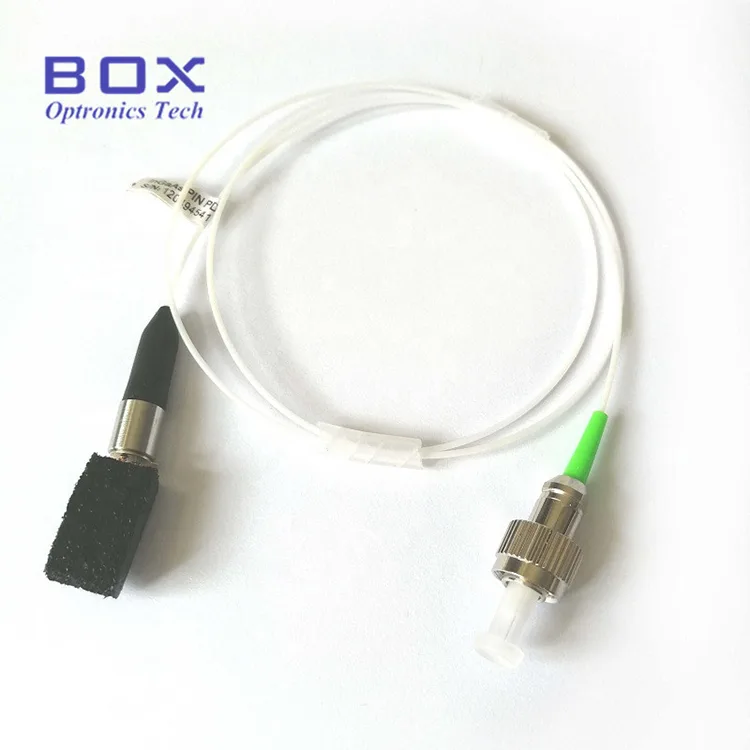
• Standard FC/APC fiber connector output

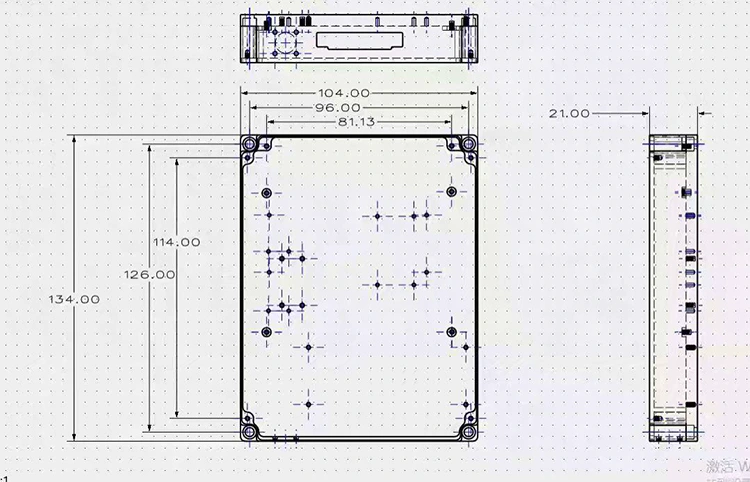
• Compact module form factor: 134x104x21mm

• 5V DC supply, <5W typical power consumption

• Wide operating temperature range: -20°C to +65°C

Typical Applications-C-Band Tunable Laser Module

• Fiber Bragg grating (FBG) demodulation and interrogation systems

• Optical passive device testing and characterization (insertion loss, return loss, filter response)

• DWDM component and wavelength division multiplexer testing

• Fiber optic sensing systems for temperature, strain, and vibration measurement

• Structural health monitoring of bridges, tunnels, pipelines, and wind turbine blades

• Tunable laser sources for optical spectrum measurement and analysis

• Research and development in photonics and optical communication laboratories

• OEM integration into optical test and measurement equipment

Product Specifications-C-Band Tunable Laser Module

Optical and Wavelength Specifications

Parameter

ATLS4-C-Band

HTLS4-C-Band

Unit

Wavelength Range

>40

(Typ. 1525–1568)

>45

(Typ. 1525–1569)

nm

Tuning Speed (per step)

≤100 (Typ.)

≤1 (Typ.)

µs

Scanning Speed

>40 (step 10pm)

>1000 (step 20pm)

nm/s

Scanning Step Size

10 (Typ.)

20 (Typ.)

pm

Absolute Wavelength Accuracy

±10 (Typ. <5)

±10

pm

Relative Wavelength Accuracy

±5 (Typ. <2)

/

pm

Wavelength Repeatability

<3

±2

pm

Wavelength Stability

±2

±2

pm

Output Power

>10

>10

dBm

Power Stability

±0.05

±0.05

dBm

Power Flatness

≤±0.3

≤±0.3

dB

Side Mode Suppression Ratio

>35

>40

dB

Relative Intensity Noise

<-135

<-135

dB/Hz

Linewidth (static)

<5

~1 (Typ.)

MHz

Mechanical and Electrical Specifications

Parameter

Specification

Unit

Fiber Connector

FC/APC

-

Operating Temperature

-20 ~ +65

°C

Supply Voltage

5

V

Supply Current

2 (Typ.)

A

Power Consumption

<5 (Typ.)

W

Dimensions (L × W × H)

134 × 104 × 21

mm

Package Dimensions-C-Band Tunable Laser Module

Module Dimensions: 134mm (L) × 104mm (W) × 21mm (H)


Ordering Information-C-Band Tunable Laser Module

Model Nomenclature

XTLS4-C-Band

Examples: ATLS4-C-Band, HTLS4-C-Band

Field

Code

Description

Series

ATLS4 / HTLS4

ATLS4 = Standard tunable laser;

HTLS4 = High-speed tunable laser

Wavelength Band

C

C-band (1525–1569nm)

Configuration

Band

Standard module configuration

Frequently Asked Questions (FAQ)-C-Band Tunable Laser Module

Q: What is the difference between ATLS4 and HTLS4 models?

A: The ATLS4 and HTLS4 share the same mechanical package, electrical interface, and fiber output, but differ in tuning speed, step size, and linewidth performance.

TheATLS4 standard version provides a 10 pm wavelength step size,≤100 µs single-step wavelength switching time, >40 nm/s scanning speed (10 pm step), and a narrow linewidth of <5 MHz, making it ideal for high-resolution spectral measurements and precision optical characterization.

TheHTLS4 high-speed version provides≤1 µs single-step wavelength switching time and >1000 nm/s scanning speed with 20 pm wavelength step resolution, making it ideal for rapid FBG interrogation, dynamic fiber sensing, and high-throughput optical component testing.

Select the model based on your application requirements for scanning speed, wavelength resolution, and signal-to-noise ratio.

Q:Can this tunable laser source be used for FBG interrogation systems?

A:Yes. The ATLS4 and HTLS4 tunable laser modules are widely suitable for FBG interrogation systems. Their precise wavelength tuning capability, high wavelength resolution, and stable optical output allow accurate tracking of FBG wavelength shifts caused by temperature, strain, and vibration changes. The ATLS4 is optimized for high-resolution spectral analysis, while the HTLS4 provides high-speed scanning capability for dynamic FBG sensing and high-throughput measurements.

Q: What is the output power and power flatness?

A: Both models deliver >10dBm output power across the full tuning range, with ±0.05dBm power stability and ≤±0.3dB power flatness. The integrated power control loop maintains consistent output power as the wavelength is tuned, reducing measurement errors caused by power variation.

Q: What is the minimum order quantity (MOQ)?

A: The MOQ is 1 unit. We support flexible order quantities, from single units for R&D and prototyping to volume production for OEM integration. Contact our sales team for specific pricing at your required quantity.

Datasheet-C-Band Tunable Laser Module

ATLS4-C-Band Tunable Laser Module

HTLS4-C-Band Tunable Laser Module

Lead Time-C-Band Tunable Laser Module

• Standard production:1~2 weeks

• Volume orders: Please contact us for a production schedule

• Custom orders: 3~4 weeks

• International shipping: ~5 working days (DHL/UPS/FedEx Express)

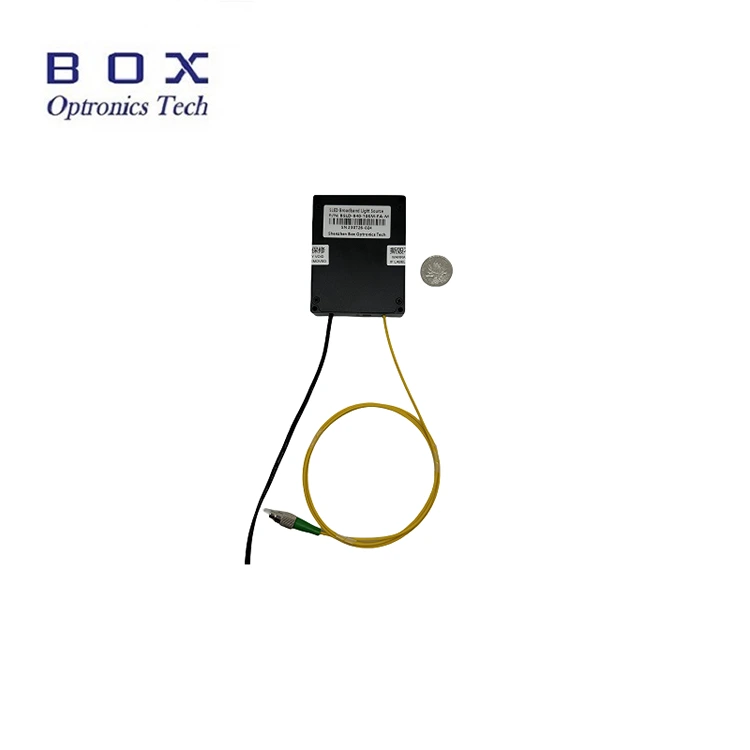
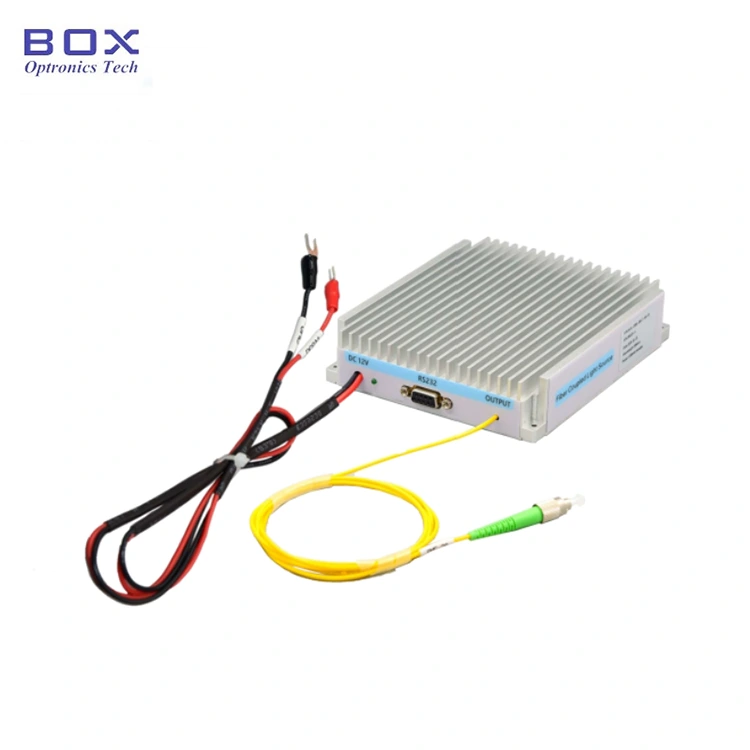
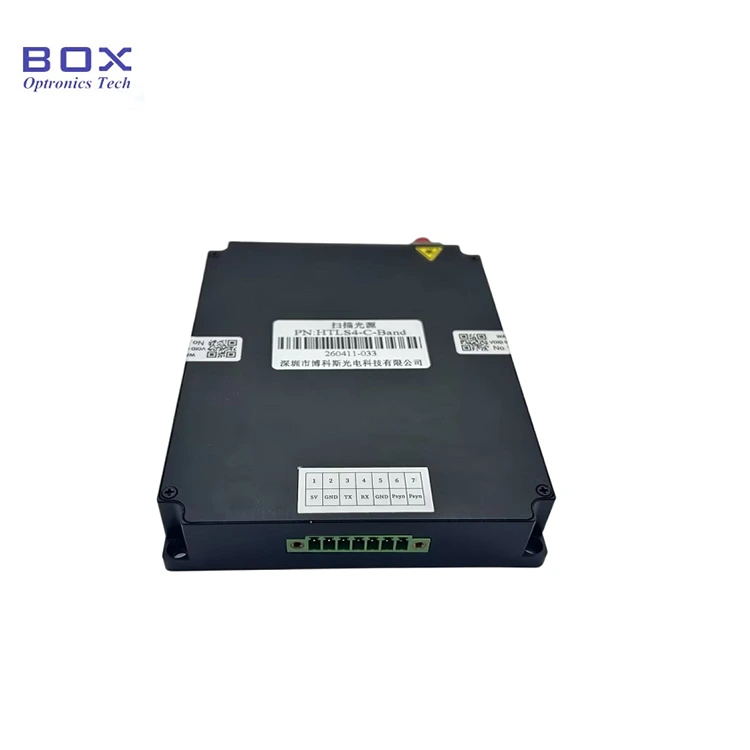
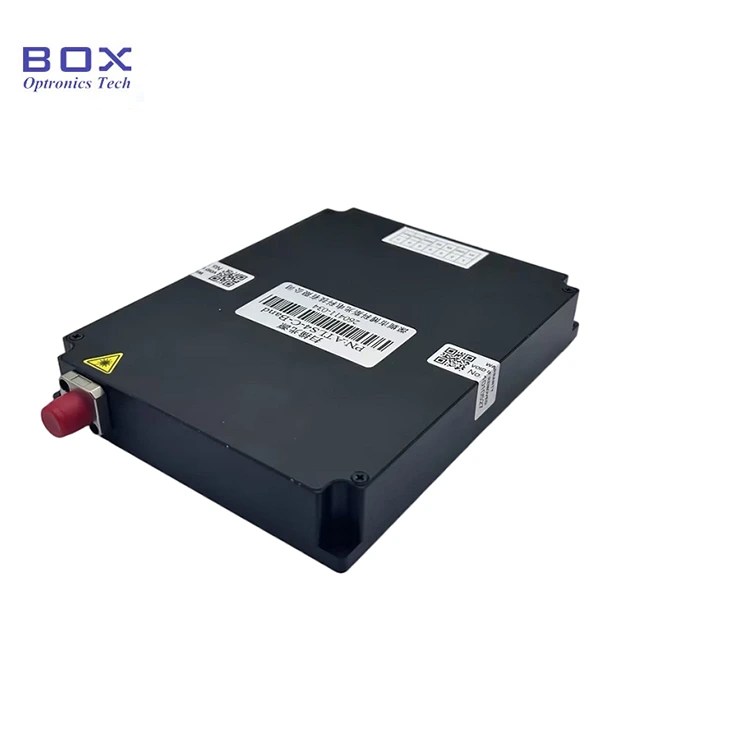
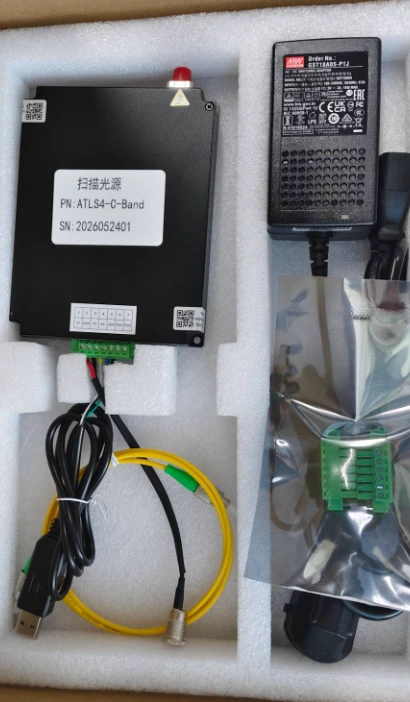
Photo of the actual product-C-Band Tunable Laser Module


Send Inquiry
Contact Info
  • Address

    Room 901, Building A, Rongchao New Era Plaza, No. 3 Lanqing 1st Road, Luhu Community, Guanhu Subdistrict, Longhua District, Shenzhen, 518110, China

Looking for competitive pricing on bulk orders? Send an inquiry to Box Optronics for high-performance DFB lasers, SLEDs, and PM fiber devices. Get a professional price quotation within 24 hours.
X
We use cookies to offer you a better browsing experience, analyze site traffic and personalize content. By using this site, you agree to our use of cookies. Privacy Policy
RejectAccept